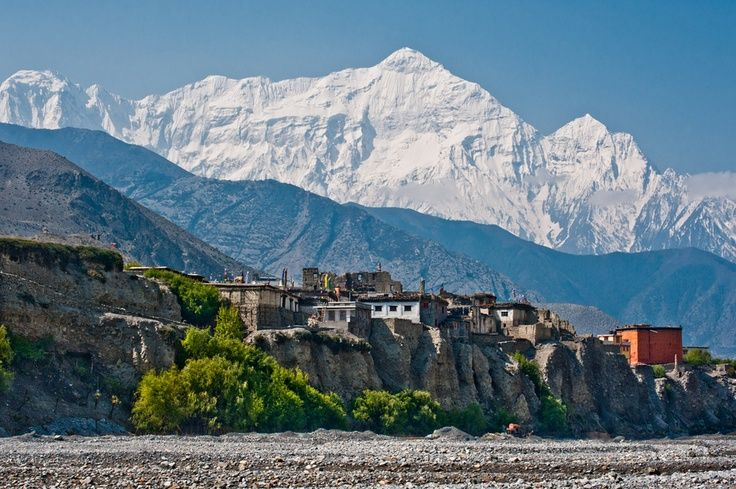
Nepal is one of the few places on earth where geography does most of the work. Eight of the world’s fourteen above 8,000-metre peaks sit within its borders. The terrain drops from glaciated alpine zones to subtropical lowlands within a few hundred kilometres. Rivers run fast and cold off the Himalayas. Forests hold wildlife that exists nowhere else. For 2026, if adventure travel is the objective, Nepal belongs at the top of the list.
25 Adventure Activities in Nepal for Travellers
Here are 25 adventure activities in Nepal that cover the full range, from a few hours to several weeks, from zero experience required to serious preparation needed.
Trekking and High-Altitude Expeditions
1. Everest Base Camp Trek
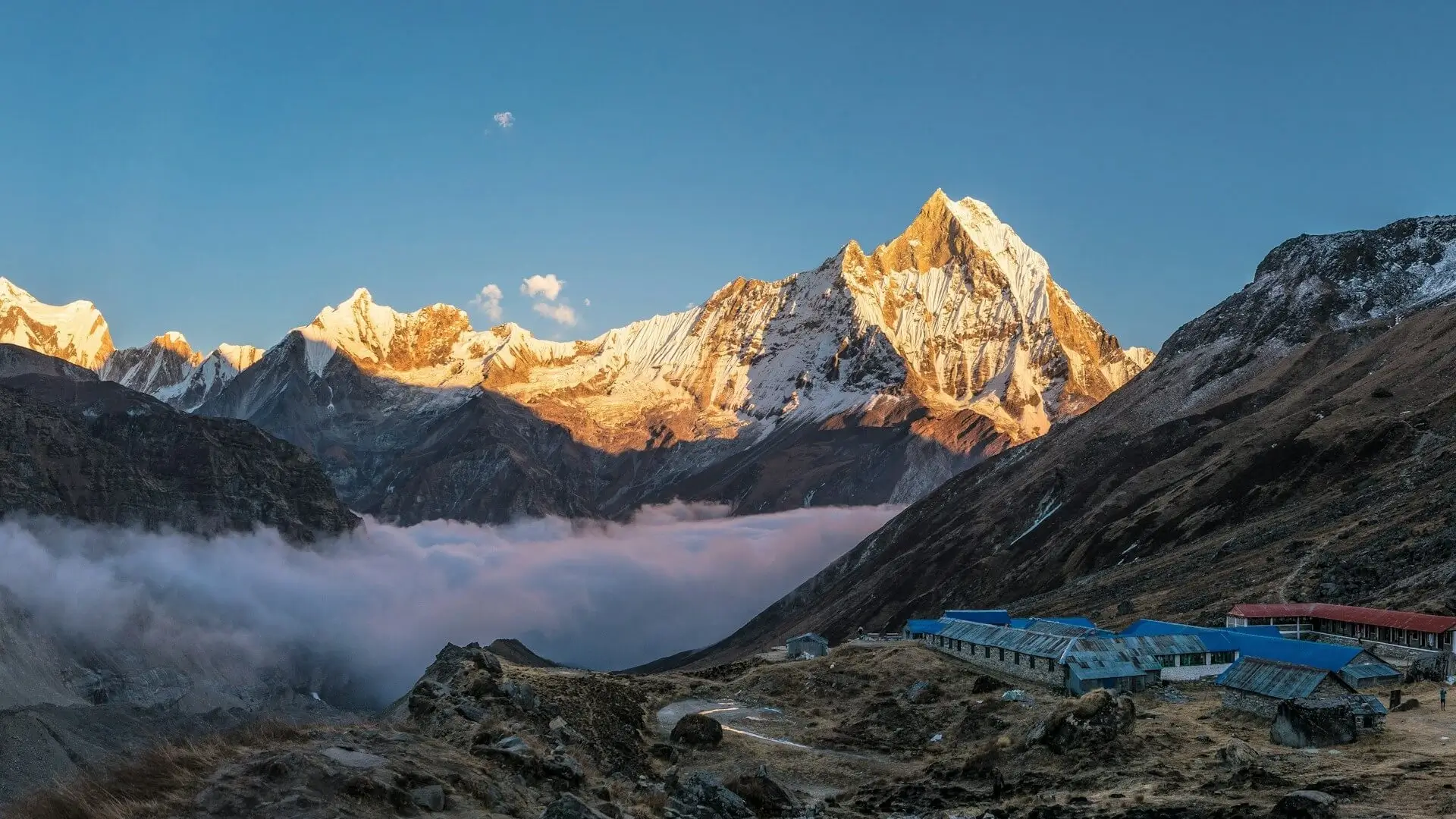
The most recognised trek in the world leads through the Khumbu Valley to Base Camp at 5,364 metres. The route passes through Sherpa villages, Buddhist monasteries, and some of the highest permanent settlements on earth before arriving at the foot of the Khumbu Icefall. The standard itinerary runs 12 to 14 days from Lukla. No technical climbing is required, but altitude acclimatisation is the central challenge. The views of Everest, Lhotse, Nuptse, and Ama Dablam from Kala Patthar at 5,545 metres are the visual high points of the route.
2. Annapurna Circuit Trek
The circuit loops around the Annapurna massif and crosses the Thorong La pass at 5,416 metres, the highest point on the route. The full circuit covers roughly 160 kilometres and takes 12 to 21 days depending on pace and acclimatisation stops. The landscape shifts from subtropical lowland forest in the east to high-altitude desert on the Mustang side of the pass. It remains one of the most diverse treks available anywhere in the world.
3. Langtang Valley Trek
Closer to Kathmandu than the Everest or Annapurna regions, Langtang offers genuine high-altitude trekking with less logistical complexity. The valley was devastated by the 2015 earthquake and rebuilt by the communities who remained. Trekking here carries a direct connection to the resilience of the people who live at altitude. The route extends to Kyanjin Gompa at 3,870 metres, with optional ascents to higher viewpoints above 5,000 metres.
4. Manaslu Circuit Trek
The Manaslu Circuit is a restricted area trek that circles the eighth-highest mountain in the world. The Larkya La pass at 5,106 metres is the highest point. Fewer trekkers use this route than the Annapurna or Everest corridors, which makes the trail quieter and the teahouse experience more local. A restricted area permit is required in addition to the standard trekking permits.
5. Upper Mustang Trek
Upper Mustang was closed to foreign visitors until 1992 and retains a landscape and culture distinct from the rest of Nepal. The terrain is high-altitude Tibetan plateau: dry, wind-carved, and ochre-coloured. The ancient walled city of Lo Manthang sits at 3,840 metres and serves as the cultural centrepiece of the route. A special restricted area permit applies. This trek suits travellers who want cultural depth alongside altitude.
6. Three Passes Trek, Everest Region
The Three Passes Trek connects the Renjo La (5,360m), Cho La (5,420m), and Kongma La (5,535m) passes in the Everest region into a single continuous route. It covers terrain that most Everest Base Camp trekkers never reach and requires a higher level of fitness and acclimatisation than the standard EBC route. The views from each pass are among the best in the Khumbu.
Mountaineering and Peak Climbing
7. Island Peak (Imja Tse) Climbing
Island Peak at 6,189 metres is one of the most popular trekking peaks in Nepal. It requires crampons, ice axes, and fixed rope technique, but experienced guides make it accessible to climbers with basic mountaineering training. The summit view takes in Lhotse, Makalu, and Ama Dablam. Most expeditions combine Island Peak with the Everest Base Camp trek.
8. Mera Peak Climbing
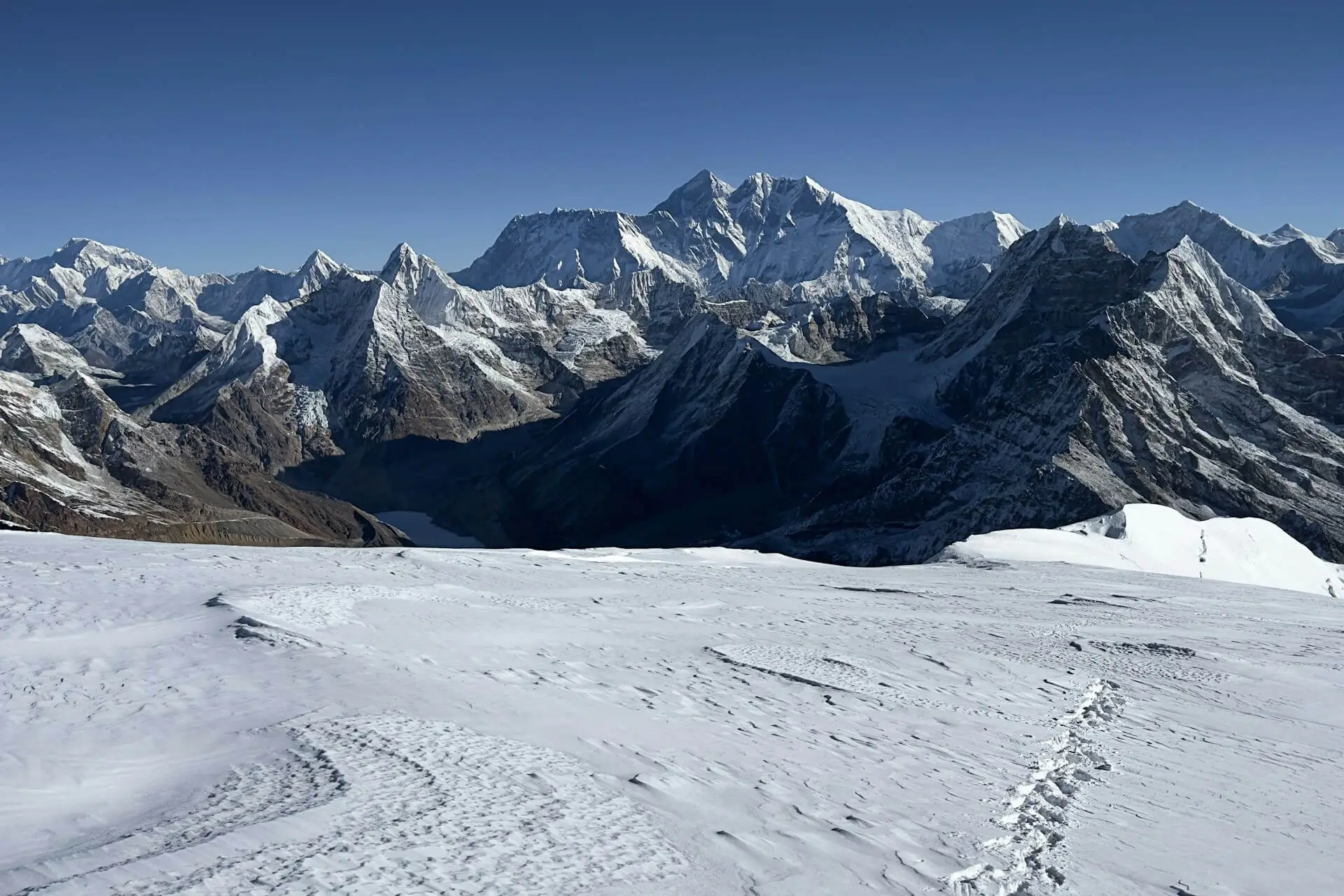
Mera Peak at 6,476 metres is the highest trekking peak in Nepal. The standard route involves glacier travel but is technically straightforward for its altitude. The summit provides a 360-degree panorama that includes five 8,000-metre peaks simultaneously. A Nepal Mountaineering Association climbing permit is required alongside standard trekking documentation.
White Water Rafting and Kayaking
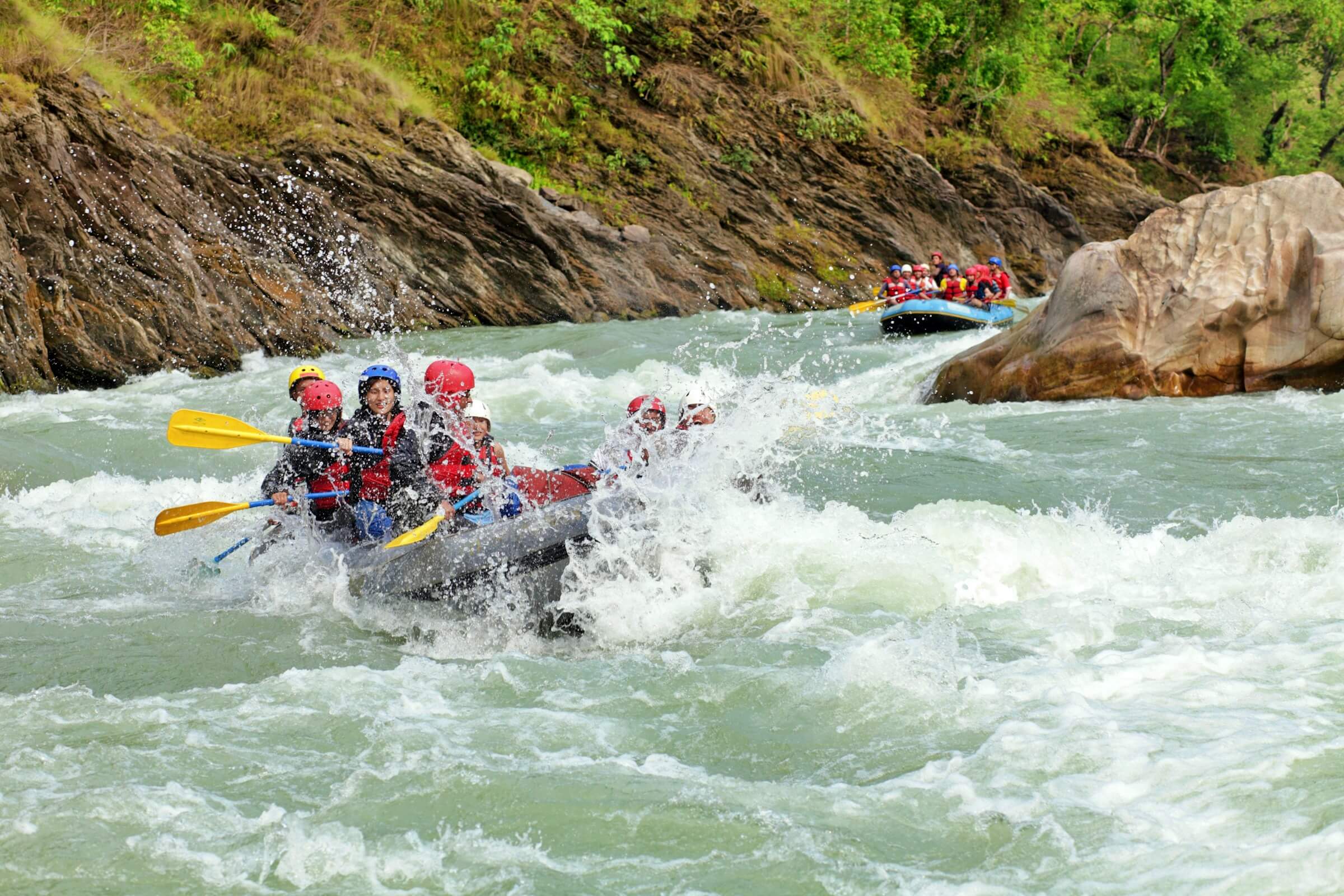
9. Trishuli River Rafting
The Trishuli is the most accessible rafting river in Nepal, running along the Prithvi Highway between Kathmandu and Pokhara. Half-day and full-day trips are available. The rapids range from Class II to Class IV depending on the section and season. It is a practical first rafting experience in Nepal with no prior experience required.
10. Bhote Koshi River Rafting
The Bhote Koshi runs fast and steep from the Tibetan border toward the Sun Koshi confluence. It carries some of the highest-grade rapids in Nepal, including Class IV and Class V sections. The river is short but intense, with gradient drops that generate serious whitewater. Experienced outfitters run full-day and two-day trips with riverside camping.
11. Sun Koshi River Expedition
The Sun Koshi expedition is a multi-day rafting journey covering around 270 kilometres from Dolalghat to Chatra. Running nine to ten days, it passes through remote gorges and villages with no road access. It consistently features on lists of the world’s great river journeys. The Sun Koshi is a serious undertaking requiring a reputable outfitter and proper logistics.
12. Kayaking on Phewa Lake, Pokhara
For kayaking at a lower intensity, Phewa Lake in Pokhara offers flat-water paddling with views of the Annapurna range and the Fishtail peak (Machapuchare). Kayaks are available for hire by the hour. It is a manageable entry point for travellers who want water-based activity without committing to a whitewater expedition.
Aerial Adventures Activity in Nepal
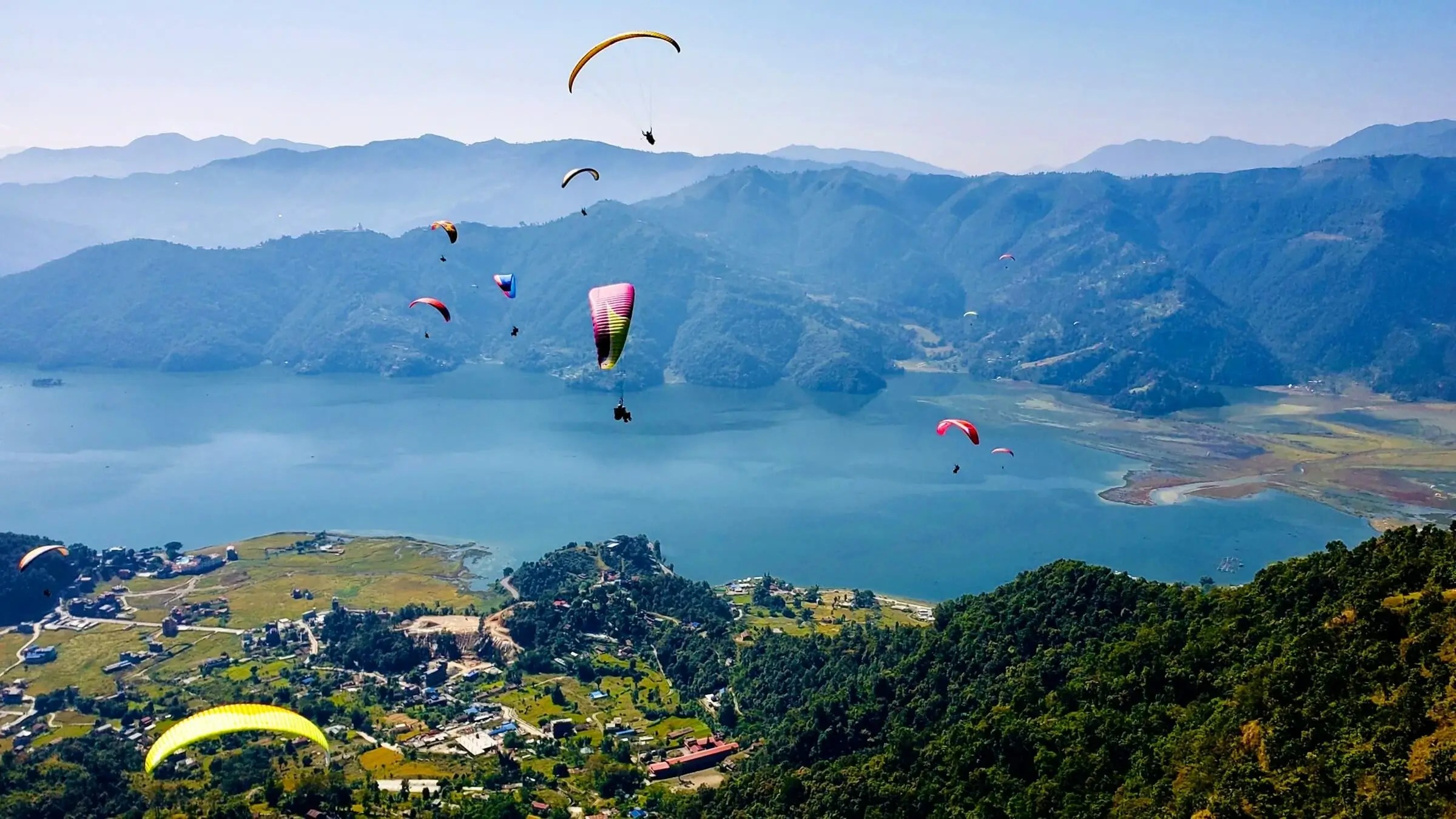
13. Paragliding from Sarangkot, Pokhara
Pokhara is one of the premier paragliding destinations in Asia. Tandem flights launch from Sarangkot at around 1,600 metres and soar over Phewa Lake with the Annapurna range as backdrop. Flight duration runs 20 to 45 minutes depending on thermals. No experience is required for tandem flights. The combination of launch altitude, thermal reliability, and mountain scenery makes this one of the most photographed adventure activities in Nepal.
14. Ultralight Aircraft Flight, Pokhara
Ultralight flights over the Pokhara Valley and Annapurna foothills offer a different aerial perspective from paragliding. The flights cover terrain that is difficult to appreciate from the ground, including glacial lakes, the Modi Khola gorge, and the vertical south face of Machapuchare. Flights run approximately 20 to 30 minutes.
15. Zip-lining in Pokhara
The zip-line above Pokhara drops 1,800 metres in vertical descent at speeds approaching 140 kilometres per hour. It is one of the longest and steepest zip-lines in the world. The line runs above the Hemja Valley with the Annapurna range visible throughout the descent. For travellers who want an adrenaline-dense experience with a short time commitment, this ranks among the most concentrated adventure activities in Nepal.
Wildlife and Jungle Adventures
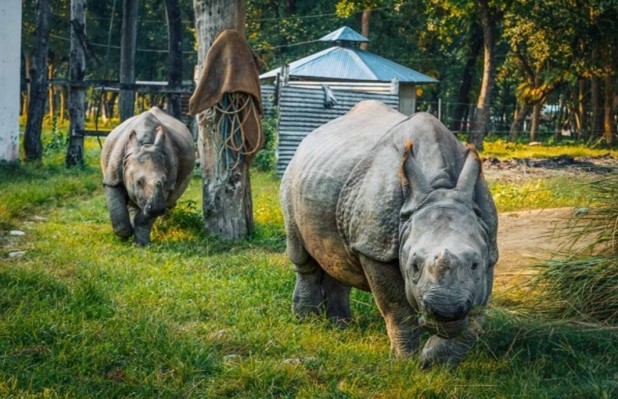
16. Jungle Safari, Chitwan National Park
Chitwan is a UNESCO World Heritage Site in Nepal’s Terai lowlands. The park holds one-horned rhinoceroses, Bengal tigers, gharial crocodiles, sloth bears, and over 600 bird species. Jeep safaris, elephant-back safaris, and dugout canoe trips are available. An early morning jeep drive through the buffer zone gives the highest probability of wildlife sightings. Chitwan represents a complete shift from the mountain experience and works well as a bookend to a Himalayan trek.
17. Jungle Safari, Bardia National Park
Bardia in the far west of Nepal is less visited than Chitwan and carries a higher probability of tiger sightings in some assessments due to lower visitor pressure. The park also holds significant elephant populations and is one of the few places in Nepal where the Gangetic dolphin is occasionally spotted in adjacent river systems. Reaching Bardia requires more travel time, which filters the visitor numbers.
18. Elephant Breeding Centre Visit, Chitwan
The Elephant Breeding Centre at Sauraha, adjacent to Chitwan National Park, houses elephants born in captivity and provides a close encounter with one of Nepal’s most significant wildlife assets. It is a lower-intensity activity that pairs naturally with a jeep safari day.
Bungee Jumping and Extreme Activities in Nepal
19. Bungee Jump, Last Resort
The bungee jump at The Last Resort near the Bhote Koshi River drops 160 metres from a suspension bridge into the gorge below. It is one of the highest bungee jumps in the world by bridge height. The gorge setting is dramatic, and the jump combines with the Bhote Koshi rafting experience for a two-day extreme adventure package that many operators offer.
20. Canyon Swing, Last Resort
The canyon swing at the same location near Bhote Koshi provides a different extreme: a free-fall arc rather than a vertical drop, swinging 300 metres above the river gorge. It is available as an alternative or addition to the bungee jump and covers a longer airborne duration.
Cultural and Off-the-Beaten-Path Adventure Activities in Nepal
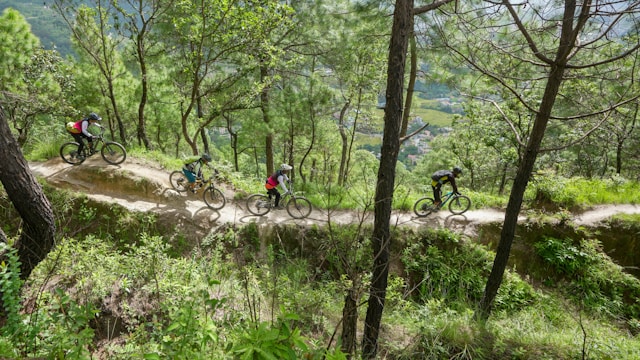
21. Mountain Biking, Mustang and Pokhara Region
Mountain biking routes in Nepal range from the technical single-track trails around Pokhara to the high-altitude gravel roads of Mustang. The Annapurna Circuit is rideable by mountain bike, though sections require portaging. Guided mountain biking tours from Pokhara cover terrain from 800 metres to above 3,000 metres within a single day. For 2026, the Mustang biking route is gaining traction as a serious multi-day cycling objective.
22. Rock Climbing, Nagarjun Forest and Hattiban
Rock climbing near Kathmandu is available at Nagarjun Forest and Hattiban, both within an hour of the city. Routes range from beginner-friendly slabs to technical multi-pitch climbs. Experienced guides provide equipment and instruction. For travellers who want technical adventure without committing to a multi-day trek, these sites offer a half-day to full-day climbing experience close to the capital.
23. Canyoning in the Jalbire Area
Canyoning combines abseiling, swimming, and jumping through river gorges. The Jalbire area near the Sun Koshi provides accessible canyoning terrain for outfitters based in Kathmandu. It is a water-based full-body activity that suits travellers who want something physically demanding and novel. Wetsuits are standard kit.
24. Skiing and Snowboarding in the Himalayan Range
High-altitude skiing in Nepal is a niche activity but a legitimate one. Routes above Gosainkund and in the Langtang region carry snow fields accessible by trekking that provide backcountry skiing terrain. Heliskiing operations in Nepal cover runs above 5,000 metres with helicopter access to slopes that no lift system reaches. This is one of the least crowded adventure activities in Nepal purely by visitor volume.
25. Overland Jeep Expedition to Remote Valleys
Jeep expeditions into restricted valleys, including Tsum Valley, Nar Phu, and Dolpo, combine overland travel with trekking and provide access to terrain and communities that foot traffic alone barely reaches. Multi-day jeep and trek combination itineraries are easy option for an adventure experience that cover terrain that most visitors never encounter.
Planning Your 2026 Nepal Adventure
Spring (March to May) and Autumn (September to November) are the primary seasons for trekking, climbing, and most outdoor activities. Rafting on certain rivers runs better during and just after the monsoon when water levels peak. Chitwan and Bardia wildlife safaris are productive in the dry winter months when vegetation thins and animals concentrate around water sources.
Permits are required for most activities: trekking permits, restricted area permits, national park entry fees, and climbing permits are issued by different government bodies and are non-negotiable for compliance with Nepal’s regulations. A reputable outfitter handles the permit stack as part of the package.
FAQs
1. What is the best time of year for adventure activities in Nepal?
Spring (March to May) and autumn (September to November) cover the majority of trekking, climbing, paragliding, and aerial activities. Rafting on the Bhote Koshi and Sun Koshi peaks during and after the monsoon (June to August) when river levels are high. Wildlife safaris in Chitwan and Bardia are most productive in winter (December to February) when dry conditions improve visibility. The activity and the season determine the timing; Nepal runs year-round for adventure depending on what you are doing.
2. Do I need prior experience for most of these adventure activities in Nepal?
Most activities on this list are accessible to fit travellers without specialist prior experience. Trekking to Everest Base Camp, Annapurna Circuit, and Langtang requires physical fitness and acclimatisation management, not technical skill. Rafting on the Trishuli requires no experience. Paragliding tandem flights in Pokhara require nothing from the passenger. Peak climbing on Island Peak and Mera Peak requires basic mountaineering training, which outfitters provide in the days before the climb. Activities like bungee jumping and zip-lining have no experience requirement. The exceptions are technical mountaineering above the trekking peak level, backcountry skiing, and advanced kayaking.
3. What permits are required for adventure activities in Nepal?
Permit requirements vary by activity and location. Standard trekking requires a TIMS card and the relevant national park or conservation area permit. Restricted area treks including Upper Mustang, Manaslu Circuit, Tsum Valley, and Nar Phu require additional restricted area permits issued in limited numbers. Peak climbing requires a Nepal Mountaineering Association permit specific to each peak. National park entry fees apply to Chitwan and Bardia. A reputable operator handles permit acquisition as part of the booking process.
4. How fit do I need to be to trek to Everest Base Camp or the Annapurna Circuit?
Both routes require sustained daily walking of five to eight hours over multiple consecutive days at altitude. A base level of cardiovascular fitness, the ability to walk for extended periods with a day pack, and reasonable comfort with physical discomfort are the primary requirements. Prior hiking experience at altitude is helpful but not mandatory. Altitude is the primary variable; acclimatisation days are built into the itinerary specifically to allow the body to adjust. The trails themselves are non-technical.
5. Is Nepal safe for adventure travel in 2026?
Nepal has a well-developed adventure tourism infrastructure built over several decades. Reputable outfitters carry appropriate insurance, use certified guides, and operate to established safety protocols. The primary risks in trekking and climbing are altitude-related illness, weather changes, and remote location. These are managed through acclimatisation schedules, weather monitoring, and proper equipment. For activities like rafting, bungee jumping, and paragliding, established operators use international-standard equipment and certified guides. Choosing a licensed, reputable operator is the single most important safety decision for any adventure activity in Nepal.