Lower Mustang sits in one of the most unusual climatic positions in Nepal. The Annapurna and Dhaulagiri ranges rise to the south, blocking the monsoon moisture that drenches the rest of the country from June through September.
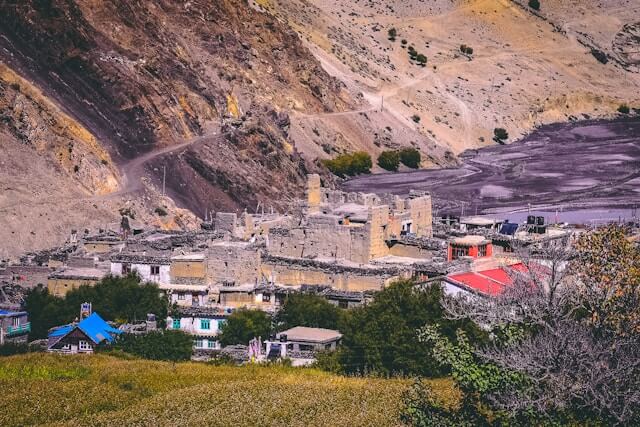
The Kali Gandaki Gorge runs through the region like a wind tunnel, generating afternoon winds that are strong enough to ground aircraft and shape the daily rhythm of life in the valley. The terrain is high-altitude desert, not the green forested hills that define most of Nepal’s popular trekking destinations.
This combination of rain shadow geography and gorge-driven wind patterns means Lower Mustang operates on a different seasonal calendar than the rest of Nepal. The rules that apply to Everest Base Camp or the Annapurna Circuit do not directly transfer here.
Months that are off-season for most Nepal tour and trekking destinations are perfectly viable in Lower Mustang. The monsoon, which closes most routes in Nepal from June to September, barely touches this region. Conversely, the wind patterns that make the gorge corridor distinctive create operational constraints that exist year-round regardless of rain.
Understanding the seasonal character of Lower Mustang properly means understanding these specific conditions to select your best time to visit Lower Mustang.
What Drives the Seasons in Lower Mustang?
Before going month by month, it is worth understanding the two forces that most shape the Lower Mustang tour experience across the year.
- Monsoon Rain Shadow: The rain shadow effect means that while the monsoon brings heavy rainfall to the southern slopes of the Annapurna range, very little of that moisture crosses the main Himalayan divide into Mustang. The valley receives some rain during monsoon months, and the landscape does green up compared to the dry season, but the rainfall is a fraction of what falls on the other side of the mountains. Trails remain walkable. Landslides and washed-out bridges, the hazards that make trekking difficult elsewhere in Nepal during monsoon, are far less common here.
- Kali Gandaki Winds: The Kali Gandaki wind is the other defining feature. The gorge runs roughly north to south and the temperature differential between the lowlands to the south and the high plateau to the north creates a powerful daily wind cycle. In the late morning and early afternoon, wind builds from the south and funnels northward through the gorge, sometimes reaching sustained speeds that make walking uncomfortable and afternoon flight operations at Jomsom airport impossible. This pattern exists year-round and shapes the daily schedule regardless of season: early morning starts, flights only in the early morning, and afternoons that are better spent in teahouses than on exposed trails.
These two factors together mean Lower Mustang is more accessible across more months of the year than almost any other tours and trekking destination in Nepal, with the caution that wind management is always part of the planning equation.
Here are 4 Best Time to Visit Lower Mustang
A month-by-month breakdown for best time for visiting Lower Mustang.
1. December through February: Winter
Winter in Lower Mustang is cold, clear, and quiet. This is the low season by visitor numbers, which means the trails are empty, teahouses are available without advance booking, and the interactions with local communities feel unhurried. For travellers who value solitude and are comfortable with cold conditions, winter has a genuine case.
Facts on Winter Trips to Lower Mustang
- Winter brings dry, penetrating cold with daytime temperatures ranging from 5–12°C in Jomsom and dropping below freezing at night, especially around Muktinath.
- The season sees minimal trekking traffic, resulting in quiet trails, flexible accommodation, and more personal interactions with locals.
- Mountain visibility is at its sharpest due to the absence of haze, offering exceptionally clear views of Dhaulagiri, Nilgiri, and the Annapurna range.
- Limited teahouse availability and reduced services mean trekkers must plan more carefully and carry proper cold-weather gear.
Daytime temperatures at Jomsom and Kagbeni in winter run between 5 and 12 degrees Celsius in clear conditions. At Muktinath at 3,800 metres, daytime temperatures hover around zero to 5 degrees with nights well below freezing. The cold is dry rather than damp, which makes it more manageable than the wet cold of coastal climates, but adequate layering, a warm sleeping bag, and cold-weather trekking gear are non-negotiable.
The landscape in winter has its own character. The arid terrain is at its most stark, the colours most saturated against the cold blue sky, and the Himalayan peaks most sharply defined. The lack of atmospheric haze that can build in the warmer months means mountain views in winter are as clear as they get across the full year. Dhaulagiri, Nilgiri, and the Annapurna range are visible with a crispness that warmer months cannot always match making winter a best time for visitng lower mustang.
The practical limitations of winter are teahouse closures on some stretches of the route, reduced services in Jomsom and the villages along the way, and the cold at Muktinath which most travellers find manageable for a night or two but not comfortable for extended stays. Flight reliability out of Jomsom in winter is generally good as there is less weather disruption, though morning frost can occasionally delay departures.
Is December to February the best time to visit Lower Mustang?
Winter suits experienced trekkers who prioritise empty trails and clear skies over comfort and services. It is not the right season for first-time high-altitude visitors or those who are sensitive to cold.
2. March through May: Spring
Spring is the primary season for Lower Mustang and the most popular time to visit for good reason. The progression from early March through late May covers a range of conditions within the season, and the timing of a visit within this window shapes the experience significantly.
Facts on Spring Trips to Lower Mustang
- Spring marks a steady transition from cold to warm, with March still chilly at altitude and May becoming noticeably warmer, especially in lower sections.
- Rhododendron forests bloom between 2,500–3,500 meters, particularly vibrant in April along the southern approach to Mustang.
- The Kali Gandaki valley experiences strong and consistent afternoon winds, making early morning trekking essential for comfort and safety.
- Cultural activity increases during this period, with Nepal New Year and local Buddhist festivals adding depth to the trekking experience.
Early to mid-March marks the transition from winter. Temperatures are rising but nights at altitude remain cold. The lower elevation sections of the route are starting to warm and some rhododendron colour is appearing at lower elevations on the approach through the forested sections south of Jomsom. The trail is quiet by spring standards as the season builds.
By late March and through April, spring hits its stride. Temperatures at mid-elevation are comfortably warm during the day. The rhododendron bloom reaches its peak at the 2,500 to 3,500 metre elevation band, which covers the forested approaches to the Mustang valley from the south. At Muktinath, daytime temperatures are manageable and nights are cold but above freezing at the lodge level. The trail has come alive with trekkers but has not yet reached peak congestion.
April is broadly considered the best single month for the combination of temperature, bloom, and cultural activity that Lower Mustang offers. The Nepal New Year falls in mid-April and the Tibetan Buddhist festival calendar is active in the valley communities. The landscape is at its most colourful in the southern approaches and the high-altitude sections around Muktinath are clear and accessible making spring the best time to visit lower mustang tours.
May brings warmer temperatures and the pre-monsoon period begins to build. The lower sections of the route are hot by mid-May, particularly on the jeep road sections through the valley. Visibility begins to soften as atmospheric moisture increases, and afternoon cloud development becomes more pronounced. May remains entirely viable for Lower Mustang and some travellers prefer the warmer temperatures. The Tiji Festival at Lo Manthang in Upper Mustang falls in May and draws travellers who extend from Lower to Upper Mustang to witness it.
The wind is a consideration throughout spring. The Kali Gandaki afternoon wind is at its most reliable and often at its strongest in the spring months, particularly in March and April. Morning starts are important and flight scheduling around morning windows is critical.
Is March to May the best time to visit Lower Mustang?
Spring is the strongest overall season, with April peaking for rhododendron blooms, festivals, and clear mountain views, though strong afternoon winds demand early morning starts, and by May the lower sections get warm and hazy.
3. June through September: Monsoon
This is where Lower Mustang’s rain shadow advantage is most relevant. While the rest of Nepal is dealing with heavy rainfall, landslides, flooded trails, and leeches, Lower Mustang receives a fraction of the monsoon precipitation that falls on the southern slopes.
Facts on Monsoon Trips to Lower Mustang
- Lower Mustang lies in a rain shadow zone, receiving far less rainfall than other trekking regions in Nepal, making it viable even during monsoon.
- The landscape shifts from dry and barren to partially green, with visible crop cultivation like barley and buckwheat in village terraces.
- Trail conditions remain relatively stable compared to other regions, as the route avoids dense forests and landslide-prone areas.
- Occasional rain, cloud cover, and flight delays from Jomsom are possible, but overall trekking remains manageable with fewer crowds.
The landscape during monsoon months undergoes a visible transformation compared to the dry season. The valley floor greens up, the agricultural terraces around Jomsom and the villages show barley and buckwheat crops in growth, and the overall feel of the terrain is less bare and plain than the dry months. For some travellers the monsoon season is best time to visit lower mustang landscape with the most appealing beauty of the valley.
Trekking conditions during the monsoon are generally good on the main Lower Mustang trail. The route avoids the heavily forested, landslide-prone terrain that makes trekking dangerous elsewhere in Nepal during this period. The Kali Gandaki valley is relatively exposed and the trail infrastructure holds well through the wet season.
The practical considerations are that some rainfall does occur, the upper sections around Muktinath can experience wet and cold conditions, and a few teahouses that cater primarily to the peak season reduce their services or close. Jomsom airport still operates but weather-related delays are more common in monsoon months than in the dry season.
Monsoon is genuinely viable for Lower Mustang, making it one of the few places in Nepal where a June, July, or August trip is a real option rather than a compromise. Visitor numbers are low, meaning the experience is quiet and uncrowded. For travellers whose schedules are constrained to summer months, Lower Mustang is worth serious consideration.
Is June to September the best time to visit Lower Mustang?
Lower Mustang is one of the only places in Nepal genuinely worth visiting in summer, as its rain shadow keeps rainfall low and trails manageable, though some teahouses reduce services, upper sections can get wet and cold, and Jomsom flight delays are more frequent.
4. October through November: Autumn
Autumn is the second primary trekking season in Nepal and Lower Mustang is no exception. The monsoon has cleared, the atmosphere has been washed clean, and the Himalayan views are sharp and consistent. October delivers the clearest mountain photography conditions of the year.
Facts on Autumn Trips to Lower Mustang
- Autumn offers the most stable weather conditions, with clear skies and excellent visibility following the monsoon washout.
- Temperatures are moderate across elevations in October, with November gradually cooling, especially in higher regions like Muktinath.
- The dry landscape enhances the dramatic red and ochre tones of Mustang’s terrain, making it visually distinct from greener seasons.
- Major Nepali festivals like Dashain and Tihar coincide with this period, bringing increased local activity and a richer cultural atmosphere.
Temperatures in autumn are comfortable across the full altitude range of the Lower Mustang route. October sits in a similar temperature band to April but without the rhododendron colour. The landscape is dry and the arid ochre and red rock formations of the valley are at their most visually dramatic. The harvest period is active in the farming villages along the route, with buckwheat and barley being brought in and the cultural activity of the agricultural cycle providing a backdrop to the trek.
November is cooler and by late November the first signs of winter are apparent at Muktinath and in the high sections of the route. It remains entirely walkable but the temperature differential between lower and higher elevations becomes more pronounced and the cold gear requirements increase compared to October. Autumn can be the best seaon to visit lower mustang for it’s scenic beauty and lively interactions.
The wind pattern in autumn is generally less severe than in spring, making the afternoons on the trail slightly more manageable. However the morning flight window at Jomsom remains the most reliable and afternoon bookings should still be avoided.
Autumn visitor numbers in Lower Mustang are high but rarely overwhelming, as the region draws fewer trekkers than the more famous Annapurna Circuit or Everest Base Camp corridors. Advance booking for accommodation in Jomsom and Muktinath during October is wise, particularly for the busy Dashain and Tihar festival period when Nepali domestic tourism increases significantly.
Is October to November the best time to visit Lower Mustang?
Autumn brings the clearest post-monsoon skies, stable temperatures, and dramatic ochre landscapes, making it a strong second season, though accommodation needs advance booking during Dashain and Tihar, and late November edges toward winter cold.
The Recommended Windows in Summary
For the majority of travellers, the two best windows are late March through April for the spring visit and October through early November for the autumn visit. April offers the rhododendron bloom, cultural festivals, and comfortable temperatures in a single package. October delivers the clearest views and the most stable weather across the full route.
Winter from December through February suits experienced cold-weather trekkers who want empty trails and sharp views. Monsoon from June through September is the most unusual recommendation but is genuinely viable thanks to the rain shadow effect, offering a quiet and green version of the valley that most visitors never see.
Adventure World Travel designs Lower Mustang itineraries for all viable seasons, with the experience to advise on which window best matches your priorities, schedule, and comfort with conditions.
FAQs
1. Is Lower Mustang trekking possible during the monsoon?
Yes, and it is one of the few Nepal trekking destinations where this is the case. The rain shadow created by the Annapurna and Dhaulagiri ranges blocks the majority of monsoon precipitation from reaching the valley. The trail remains walkable, landslides are far less common than on southern-facing routes, and the landscape has a green quality that the dry season lacks. Some teahouses reduce services during this period and weather delays at Jomsom airport are more frequent, but the monsoon months are a genuine option for Lower Mustang.
2. What is the best month to visit Lower Mustang for mountain views?
October delivers the clearest and most consistent mountain views of the year. The monsoon has washed the atmosphere clean and the dry autumn air produces sharp, defined panoramas of Dhaulagiri, Nilgiri, and the Annapurna range. March also offers excellent clarity. April remains good through the first half of the month before pre-monsoon haze begins to build gradually in the afternoons.
3. How do the winds at Jomsom affect the trekking experience?
The Kali Gandaki afternoon winds are a year-round feature of the valley and they affect both trekking and flight operations. Flights into and out of Jomsom operate only in the morning and afternoon flights are regularly cancelled. On the trail, the wind builds from late morning onward and can make afternoon walking on exposed sections uncomfortable. Early morning starts address both issues and are standard practice for any Lower Mustang itinerary regardless of season.
4. Is winter a good time to visit Lower Mustang?
Winter is viable for experienced trekkers who are comfortable with cold conditions and reduced services. Temperatures at Muktinath drop well below freezing overnight and adequate gear is essential. The compensations are completely empty trails, the sharpest mountain views of the year, and a raw version of the landscape without the infrastructure and crowds of peak season. It is not recommended for first-time high-altitude visitors or those sensitive to cold.
5. How far in advance should I book a Lower Mustang trip?
For spring visits in April and autumn visits in October, booking two to three months in advance is advisable to secure accommodation in Jomsom and Muktinath and to allow time for permit processing. For winter and monsoon visits where demand is lower, shorter lead times are workable. Adventure World Travel handles the full logistics and permit arrangements as part of the booking process.