Location
Duration
Activities
Accomodation
Meals
Group Size
Best Time
Program Itinerary:
Day 01 |
Arrival in Kathmandu
As you touch down in Kathmandu, the vibrant energy of this historic city will welcome you. When we pick you up at Tribhuvan International Airport, you will be greeted and welcomed by our representative who will give you a “Khada” (a traditional ceremonial scarf). They will then help you to your hotel. After check-in, all of your necessary travel documents will be handed to you along with a short briefing about your tour.
Overnight stay at a hotel in Kathmandu.
Day 02 |
Sightseeing of Pashupatinath Temple, Boudhanath Stupa and Patan Durbar square
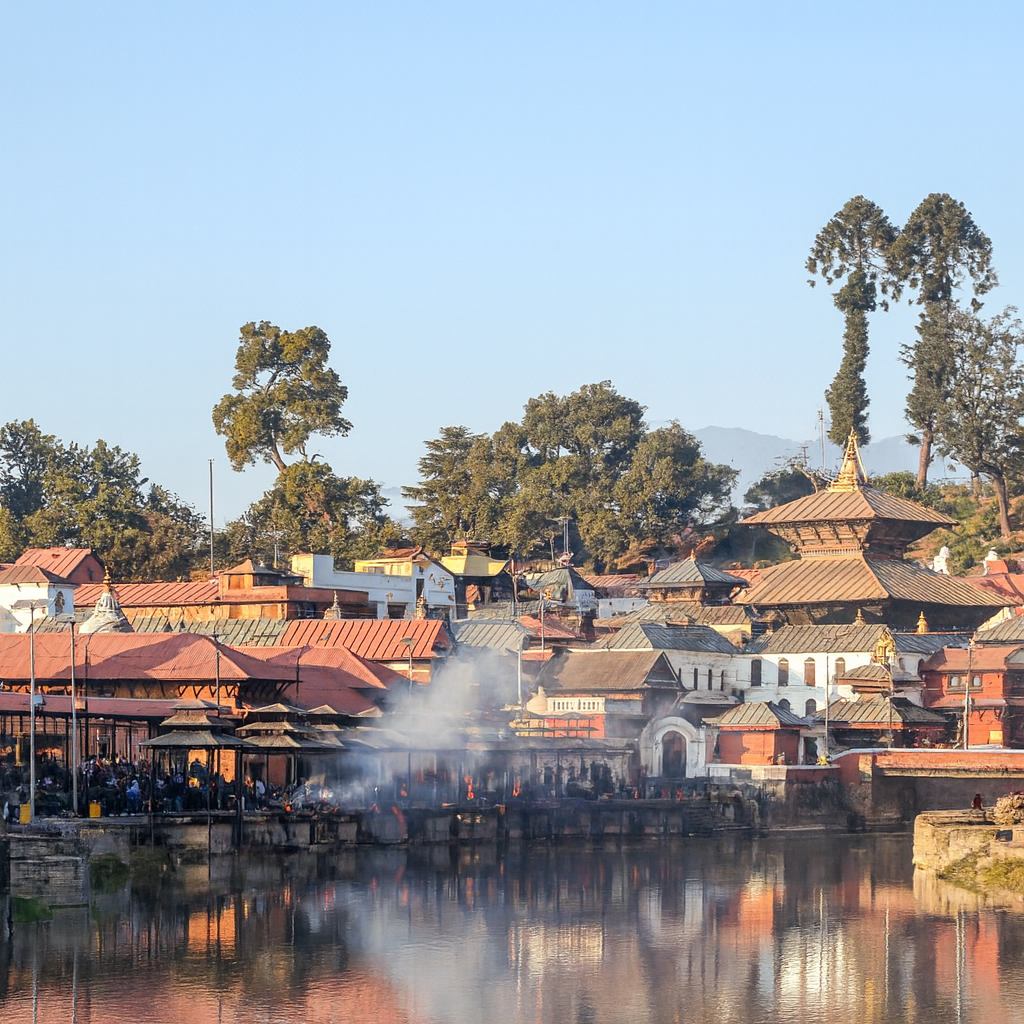
After breakfast, start your day with the visit to Pashupatinath Temple, one of the most sacred Hindu temples dedicated to Lord Shiva, located on the banks of the Bagmati River. Witness the vibrant rituals and ceremonies that take place here, offering insight into Hindu spirituality and traditions. Pashupatinath Temple, also known as one the oldest Hindu temples, a UNESCO World Heritage Site and the largest functioning Hindu temple in the world. You can see a sprawling collection of temples, ashrams, images and inscriptions raised over the centuries along the banks of the sacred Bagmati river.
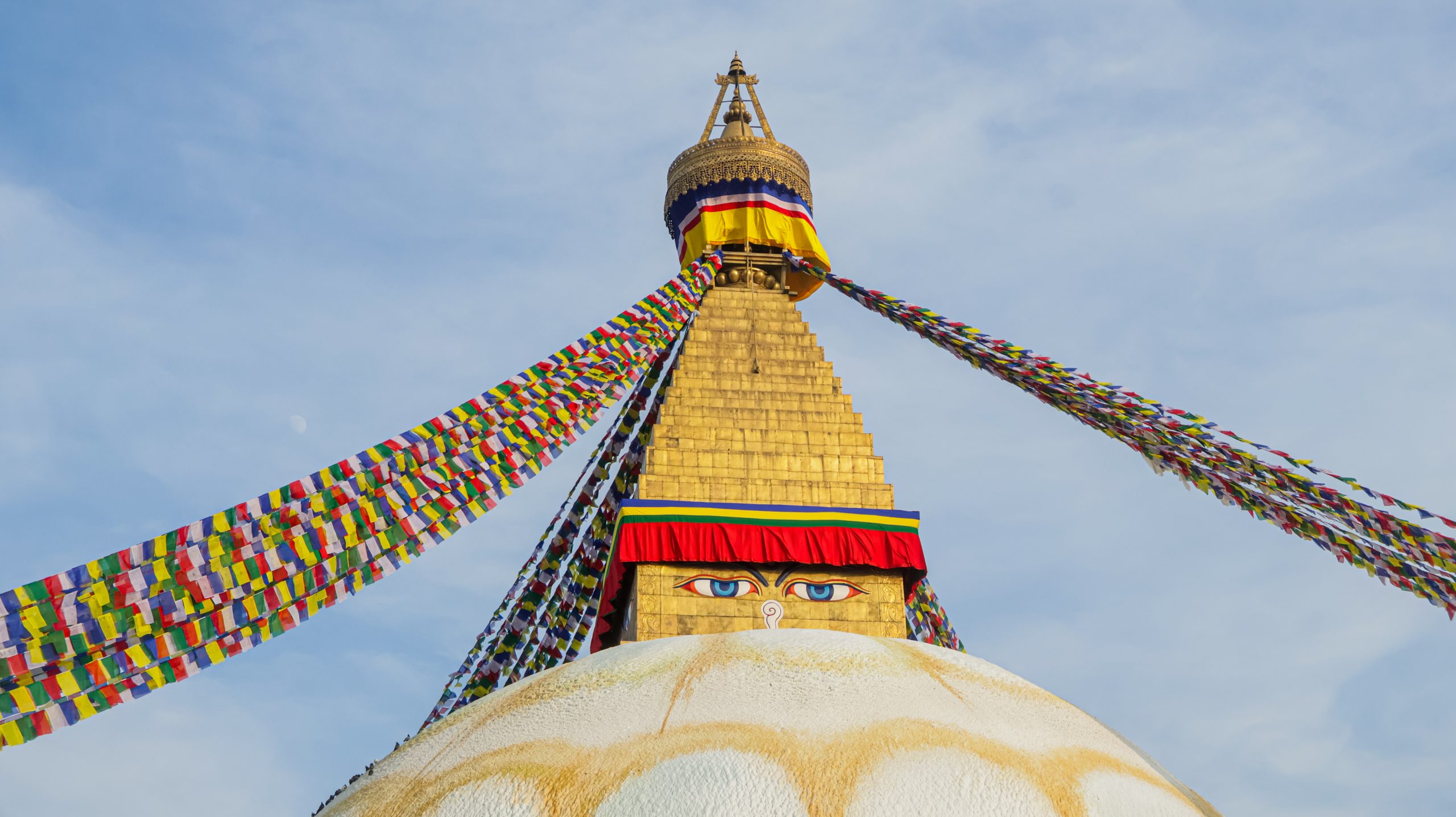
Next, you will visit Boudhanath Stupa, one of the largest stupas in the world and a UNESCO World Heritage Site, where you can immerse yourself in Tibetan Buddhist culture amidst the fluttering prayer flags and chanting monks. Take your time to circumambulate the stupa, spinning prayer wheels and soaking in the serene atmosphere. It is also known as KhastiChaitya, located about 11km from the center and northeastern outskirts of Kathmandu. It was built in the 5th century and is surrounded by devotees who whirl prayer wheels 108 times chanting mantras.
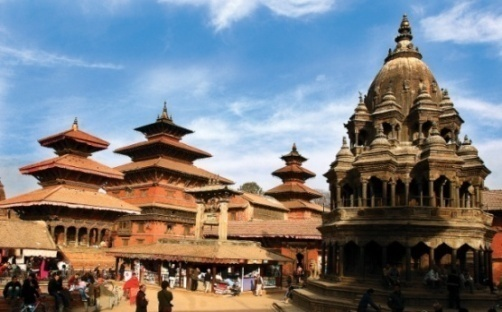
Later, at afternoon, visit Patan Durbar Square, located in the city of Patan (also known as Lalitpur), is another UNESCO World Heritage Site in the Kathmandu Valley. It features a rich collection of temples, palaces, statues, and courtyards dating back to the medieval period. The square is renowned for its fine Newari architecture, with intricately carved wooden windows, doors, and struts adorning many of the buildings.
Overnight stay at a hotel in Kathmandu.
Day 03|
Sightseeing of Swayambhunath Stupa and Kathmandu Durbar Square. Evening walk at Thamel
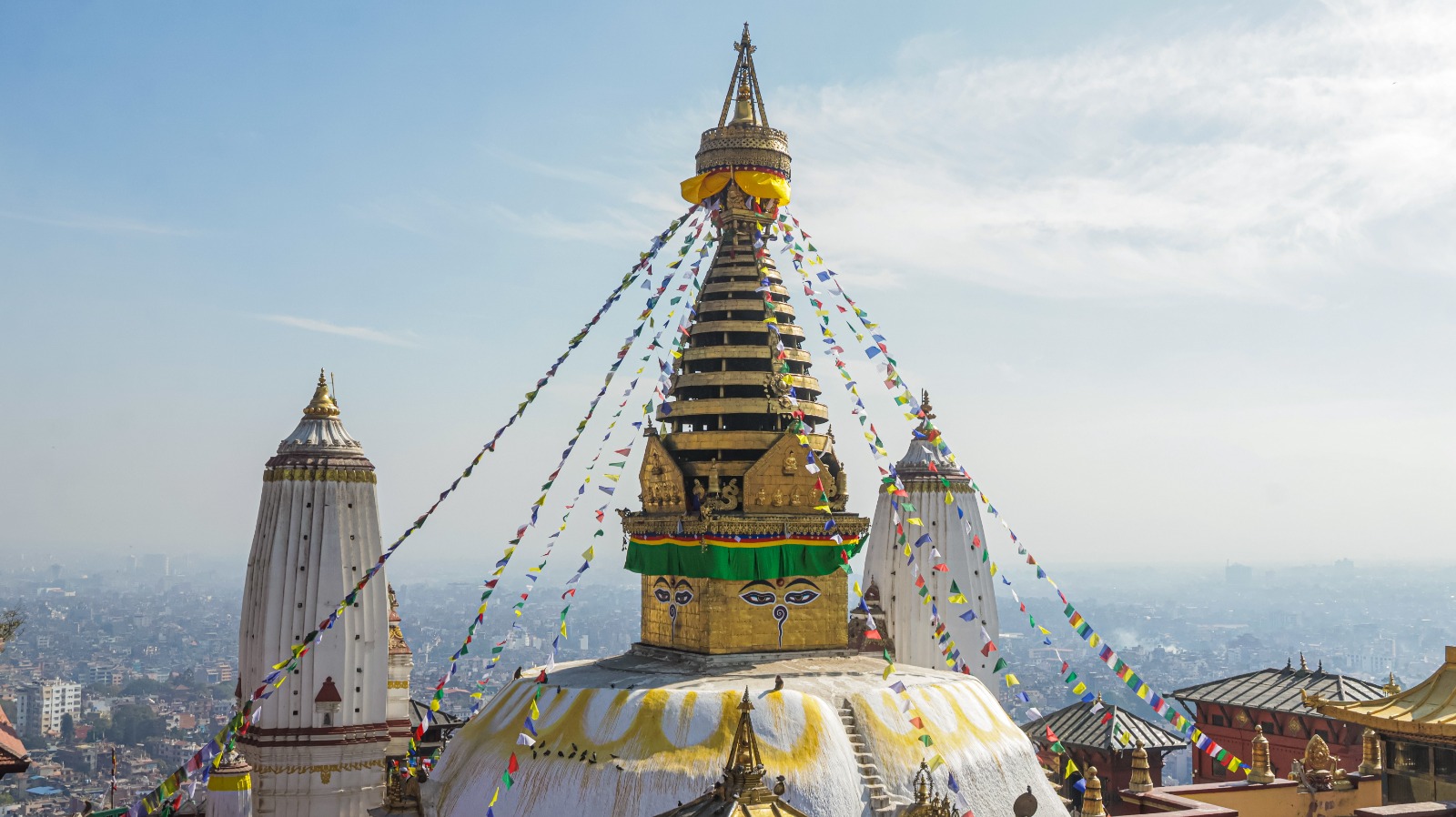
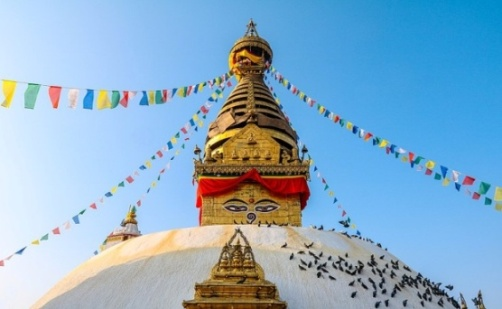
After breakfast, visit Swayambhunath Stupa, also known as the Monkey Temple, is one of Nepal’s oldest and most significant prehistoric Buddhist stupas. Located on a hillock two miles west of Kathmandu City, this world-renowned Buddhist chaitya was built over two thousand years ago. The hill of Swayambhunath is lush with evergreen trees bearing colorful, fragrant blossoms, and it contains various rocks and metal mines. The hill is lush with evergreen trees and vibrant blossoms, adding to its serene ambiance. Swayambhunath attracts pilgrims, tourists, and morning walkers alike, offering a mix of spiritual and natural beauty.
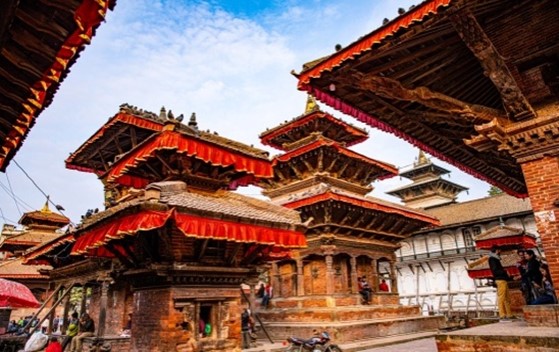
Next, you will visit Kathmandu Durbar Square, including Hanuman Dhoka, Parvati and Mahadev temple, Kumari Palace, Taleju temple, and more. Kathmandu Durbar Square, situated in the heart of Kathmandu, is a UNESCO World Heritage Site renowned for its stunning architecture, palaces, temples, and courtyards. It was once the royal palace of the Malla and Shah kings of Nepal. The square is a bustling hub of activity, with locals and tourists alike wandering amidst the intricately carved wooden buildings, ancient temples, and statues. It’s a vibrant showcase of Nepalese art, culture, and history.
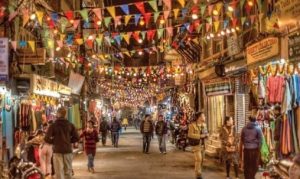
Later in the evening, Walk at Thamel, located in the heart of Kathmandu, is a vibrant and bustling neighborhood that serves as the tourist hub of the city. It is a bustling maze of narrow streets teeming with shops offering colorful textiles, traditional handicrafts, and trekking gear. It also has an extensive selection of restaurants, cafes, bars, and entertainment venues.
Overnight stay at a hotel in Kathmandu.
Day 04 |
Transfer to Chitwan. [Approx. 181 KM /5-6 hours’ drive]
After breakfast, you will depart Kathmandu and drive to Chitwan, a journey that takes approximately 5-6 hours. Upon arrival in Chitwan, you will check into your hotel and have a delicious lunch &some time to rest and freshen up.
In the afternoon, you will begin your jungle activities. You have the opportunity to visit a local village and learn about the traditional lifestyle of the Tharupeople.In the evening, you will attend a cultural performance featuring traditional Tharu music and dance.
Tharu Cultural Dance
Guests will able to enjoy the local Tharus from the village showcasing their traditional Tharu stick dance. The dance is an age-old tradition of the Tharus and is usually performed to appease the gods during religious festivals.
Overnight stay at a hotel in Chitwan.
Day 05 |
Full Day Engage in Various Jungle Activities
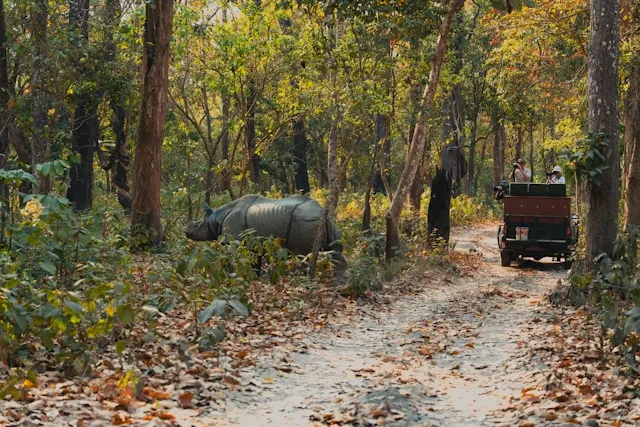
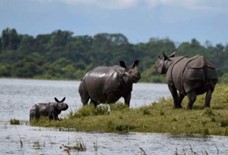
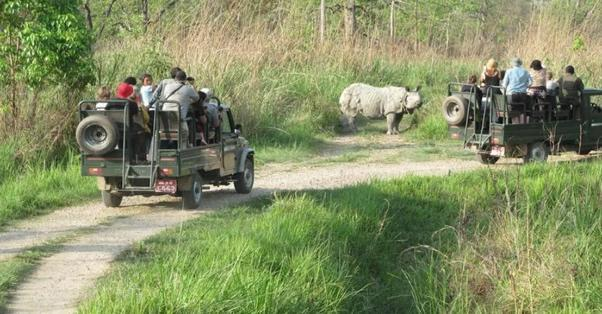
After breakfast, you will continue your jungle adventure with a full day of activities. You will go on a canoe ride down the Rapti River, where you can observe various species of birds, crocodiles, and other wildlife. You will also have the opportunity to go on a jeep safari to explore the jungle and see animals such as one-horned rhinoceroses, Bengal tigers, and sloth bears.
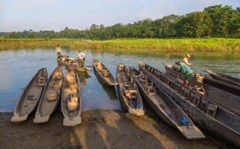
Canoe Safari: A canoe ride is an excellent way to enjoy the unique eco system around the rivers and floodplains. Mugger crocodiles and Gharials basking on banks, storks, ducks, kingfishers along with otters, turtles and if lucky, even a fishing cat, are some of the creatures to watch out for. The comfortable wooden oar boats glide noiselessly, maneuvered by expert oarsmen while naturalists explain the world around the water. The boats are equipped with life jackets and the boatmen are expert swimmers who also act as life guards.
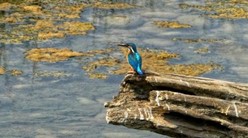
Bird Watching: Chitwan is rightly considered a birdwatchers’ paradise. Exotic birds such as the highly endangered Bengal florican and the glorious paradise flycatcher, as well as a range of colorful sunbirds, kingfishers and jungle fowl, call this forest their home.
Jeep Safari/Safari Drives: Safari drives are conducted by expert naturalists in specially designed 4X4 vehicles with theatre style seating. Along with the thrill of tiger tracking, is a memorable stop for a picnic breakfast. The dense jungles of Chitwan have large stretches of Sal with a closed canopy. A safari drive through these patches, with trees towering above and reams of sunlight breaking through the thick canopy is an enchanting experience. Seated in a specially designed safari vehicle, guests drive around the jungle, accompanied by a trained naturalist and an experienced tracker from the local community. The one horned Rhinoceros is the star of Chitwan and are usually spotted in open woods and grasslands. Along with mammals, the forest has 56 species of reptiles and amphibians, the most commonly spotted ones being the monitor lizards and pythons.
In the evening, you will enjoy specialty dinner and enjoy at your hotel for the night.
Overnight stay at a hotel in Chitwan.
Day 06 |
Drive back to Kathmandu & transfer to Nagarkot.
After enjoying breakfast at your hotel in Chitwan, you will proceed with a drive to Kathmandu, followed by transfer to Nagarkot which is approx. 30km and takes around 1-2 hours’ drive from Kathmandu. Along the way, you will have the opportunity to take in the beautiful scenic views during your journey to Kathmandu.
Nagarkot is a picturesque hill station Nestled at an altitude of approximately 2,175 meters, it offers stunning panoramic views of the Himalayan mountain range, including peaks like Mount Everest, Annapurna, Langtang, and Ganesh Himal on clear days. Known for its breathtaking sunrises and sunsets, Nagarkot is a popular destination for nature lovers, trekkers, and those seeking tranquility away from the bustle of the city. The area is surrounded by verdant forests, terraced fields, and traditional villages, providing a perfect blend of natural beauty and cultural richness.
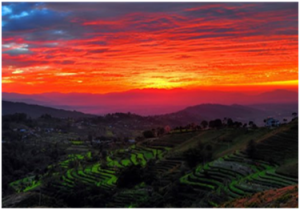
Upon Arrival in Nagarkot, transfer to hotel and check-in, Rest/Refresh. In the evening, enjoy the scenic Sunset over the Himalayas. [Subject to time & weather]
Overnight stay at a hotel in Nagarkot.
Day 07 |
Departure transfer to the airport.
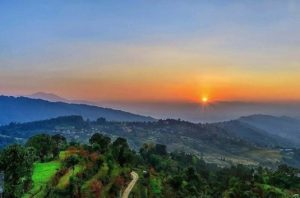
Wake up early to witness the breathtaking sunrise over the Himalayas from Nagarkot (Subject to weather condition). As the first light of dawn illuminates the snow-capped peaks, you’ll be treated to a truly magical sight that is sure to leave a lasting impression.
After breakfast, our representative will transfer you to the airport for your onward flight. We hope you had a wonderful time in Nepal and look forward to seeing you again.
[Note: This program is given as an indication according to the indications known to date. It may be subject to changes on site due to local data. These changes will always be made in the best possible way, in the spirit of the original program.]
**END OF SERVICES**
***HAPPY JOURNEY***
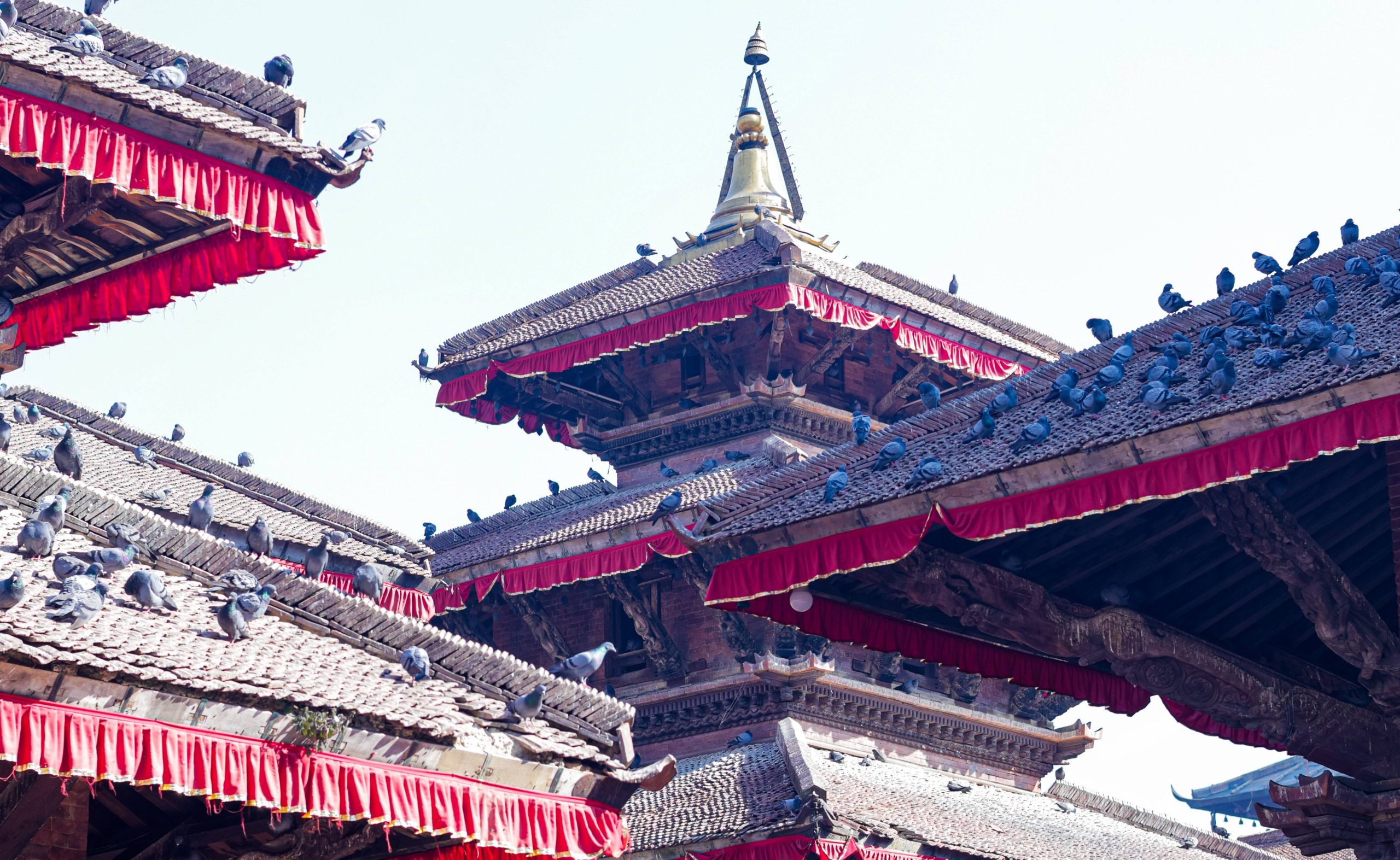
The Kathmandu Valley’s prosperity is deeply rooted in its central position between India and Tibet. This factor has long contributed to its wealth and cultural richness. The valley’s fertile basin and mild climate have made it an ideal region for agriculture, allowing the land to flourish under the care of its inhabitants. The Newar people are known for their artistry and craftsmanship and have passed down their skills through generations. They are leaving a lasting legacy in the architectural wonders of Patan and Bhaktapur.
Our nine-day trek offers a comprehensive exploration of this culturally and naturally rich region. We will journey through picturesque ridges and charming villages to the north and east of Kathmandu. From Nagarkot and Dhulikhel, we’ll enjoy expansive views of the Himalayan range, spanning from Langtang to Everest. The trek includes detailed visits to important sacred sites, including the Boudhanath Stupa, the historic town of Bhaktapur, and the artistic treasures of Patan. Along the way, we’ll traverse through ridges, terraced fields, and lush pine forests, engaging ourselves in both the natural beauty and the rich cultural heritage of the Kathmandu Valley.
We start our day with a vehicle ride to Budhanilkantha, where you can see the famous Vishnu statue resting on a bed of serpents. The name “Budhanilkantha” is derived from the ancient Newari language, where “Budha” signifies “old,” “Nila” translates to “blue,” and “Kantha” means “throat.” This historic temple is filled with history, spirituality, and beautiful architecture. Also called the “Sleeping Vishnu” or “Jalakshetra,” it reflects the deep respect and devotion that characterize Nepal’s heritage. After visiting Budhanilkantha, we will hike to the entrance of Shivapuri National Park. We continue along the park trail, which winds through the forest and ascends in switchbacks to the foot of the Nagi Gompa nunnery.
The next destination is Boudhanath, which has one of Nepal’s biggest spherical stupas. The town is built around this massive mandala. Buddhists come here in the evenings from all over the nation to perform mantra recitations and circumambulations. The act of walking around a stupa is known as a ‘Kora’ in Tibetan and Sherpa culture. At Boudhanath, you’ll meet a smiling and comforting crowd consisting of Sherpas, Tamang, exiled Tibetans, and Bhutanese, all connected by their Tibetan heritage. After exploring the area, check-in at a nearby hotel close to the stupa. You can also visit the Buddhist monasteries of the Gelugpa (yellow hat) school, the Nyingmapa (school of the ancients), and the Kagyupa. We will spend the night at the Rokpa Guest House near the stupa. The hike takes approximately 5 to 6 hours.
We start our day with a vehicle ride to Budhanilkantha, where you can see the famous Vishnu statue resting on a bed of serpents. The name “Budhanilkantha” is derived from the ancient Newari language, where “Budha” signifies “old,” “Nila” translates to “blue,” and “Kantha” means “throat.” This historic temple is filled with history, spirituality, and beautiful architecture. Also called the “Sleeping Vishnu” or “Jalakshetra,” it reflects the deep respect and devotion that characterize Nepal’s heritage. After visiting Budhanilkantha, we will hike to the entrance of Shivapuri National Park. We continue along the park trail, which winds through the forest and ascends in switchbacks to the foot of the Nagi Gompa nunnery.
The next destination is Boudhanath, which has one of Nepal’s biggest spherical stupas. The town is built around this massive mandala. Buddhists come here in the evenings from all over the nation to perform mantra recitations and circumambulations. The act of walking around a stupa is known as a ‘Kora’ in Tibetan and Sherpa culture. At Boudhanath, you’ll meet a smiling and comforting crowd consisting of Sherpas, Tamang, exiled Tibetans, and Bhutanese, all connected by their Tibetan heritage. After exploring the area, check-in at a nearby hotel close to the stupa. You can also visit the Buddhist monasteries of the Gelugpa (yellow hat) school, the Nyingmapa (school of the ancients), and the Kagyupa. We will spend the night at the Rokpa Guest House near the stupa. The hike takes approximately 5 to 6 hours.
We start our day with a vehicle ride to Budhanilkantha, where you can see the famous Vishnu statue resting on a bed of serpents. The name “Budhanilkantha” is derived from the ancient Newari language, where “Budha” signifies “old,” “Nila” translates to “blue,” and “Kantha” means “throat.” This historic temple is filled with history, spirituality, and beautiful architecture. Also called the “Sleeping Vishnu” or “Jalakshetra,” it reflects the deep respect and devotion that characterize Nepal’s heritage. After visiting Budhanilkantha, we will hike to the entrance of Shivapuri National Park. We continue along the park trail, which winds through the forest and ascends in switchbacks to the foot of the Nagi Gompa nunnery.
The next destination is Boudhanath, which has one of Nepal’s biggest spherical stupas. The town is built around this massive mandala. Buddhists come here in the evenings from all over the nation to perform mantra recitations and circumambulations. The act of walking around a stupa is known as a ‘Kora’ in Tibetan and Sherpa culture. At Boudhanath, you’ll meet a smiling and comforting crowd consisting of Sherpas, Tamang, exiled Tibetans, and Bhutanese, all connected by their Tibetan heritage. After exploring the area, check-in at a nearby hotel close to the stupa. You can also visit the Buddhist monasteries of the Gelugpa (yellow hat) school, the Nyingmapa (school of the ancients), and the Kagyupa. We will spend the night at the Rokpa Guest House near the stupa. The hike takes approximately 5 to 6 hours.
We start our day with a vehicle ride to Budhanilkantha, where you can see the famous Vishnu statue resting on a bed of serpents. The name “Budhanilkantha” is derived from the ancient Newari language, where “Budha” signifies “old,” “Nila” translates to “blue,” and “Kantha” means “throat.” This historic temple is filled with history, spirituality, and beautiful architecture. Also called the “Sleeping Vishnu” or “Jalakshetra,” it reflects the deep respect and devotion that characterize Nepal’s heritage. After visiting Budhanilkantha, we will hike to the entrance of Shivapuri National Park. We continue along the park trail, which winds through the forest and ascends in switchbacks to the foot of the Nagi Gompa nunnery.
The next destination is Boudhanath, which has one of Nepal’s biggest spherical stupas. The town is built around this massive mandala. Buddhists come here in the evenings from all over the nation to perform mantra recitations and circumambulations. The act of walking around a stupa is known as a ‘Kora’ in Tibetan and Sherpa culture. At Boudhanath, you’ll meet a smiling and comforting crowd consisting of Sherpas, Tamang, exiled Tibetans, and Bhutanese, all connected by their Tibetan heritage. After exploring the area, check-in at a nearby hotel close to the stupa. You can also visit the Buddhist monasteries of the Gelugpa (yellow hat) school, the Nyingmapa (school of the ancients), and the Kagyupa. We will spend the night at the Rokpa Guest House near the stupa. The hike takes approximately 5 to 6 hours.
We start our day with a vehicle ride to Budhanilkantha, where you can see the famous Vishnu statue resting on a bed of serpents. The name “Budhanilkantha” is derived from the ancient Newari language, where “Budha” signifies “old,” “Nila” translates to “blue,” and “Kantha” means “throat.” This historic temple is filled with history, spirituality, and beautiful architecture. Also called the “Sleeping Vishnu” or “Jalakshetra,” it reflects the deep respect and devotion that characterize Nepal’s heritage. After visiting Budhanilkantha, we will hike to the entrance of Shivapuri National Park. We continue along the park trail, which winds through the forest and ascends in switchbacks to the foot of the Nagi Gompa nunnery.
The next destination is Boudhanath, which has one of Nepal’s biggest spherical stupas. The town is built around this massive mandala. Buddhists come here in the evenings from all over the nation to perform mantra recitations and circumambulations. The act of walking around a stupa is known as a ‘Kora’ in Tibetan and Sherpa culture. At Boudhanath, you’ll meet a smiling and comforting crowd consisting of Sherpas, Tamang, exiled Tibetans, and Bhutanese, all connected by their Tibetan heritage. After exploring the area, check-in at a nearby hotel close to the stupa. You can also visit the Buddhist monasteries of the Gelugpa (yellow hat) school, the Nyingmapa (school of the ancients), and the Kagyupa. We will spend the night at the Rokpa Guest House near the stupa. The hike takes approximately 5 to 6 hours.
We start our day with a vehicle ride to Budhanilkantha, where you can see the famous Vishnu statue resting on a bed of serpents. The name “Budhanilkantha” is derived from the ancient Newari language, where “Budha” signifies “old,” “Nila” translates to “blue,” and “Kantha” means “throat.” This historic temple is filled with history, spirituality, and beautiful architecture. Also called the “Sleeping Vishnu” or “Jalakshetra,” it reflects the deep respect and devotion that characterize Nepal’s heritage. After visiting Budhanilkantha, we will hike to the entrance of Shivapuri National Park. We continue along the park trail, which winds through the forest and ascends in switchbacks to the foot of the Nagi Gompa nunnery.
The next destination is Boudhanath, which has one of Nepal’s biggest spherical stupas. The town is built around this massive mandala. Buddhists come here in the evenings from all over the nation to perform mantra recitations and circumambulations. The act of walking around a stupa is known as a ‘Kora’ in Tibetan and Sherpa culture. At Boudhanath, you’ll meet a smiling and comforting crowd consisting of Sherpas, Tamang, exiled Tibetans, and Bhutanese, all connected by their Tibetan heritage. After exploring the area, check-in at a nearby hotel close to the stupa. You can also visit the Buddhist monasteries of the Gelugpa (yellow hat) school, the Nyingmapa (school of the ancients), and the Kagyupa. We will spend the night at the Rokpa Guest House near the stupa. The hike takes approximately 5 to 6 hours.
We start our day with a vehicle ride to Budhanilkantha, where you can see the famous Vishnu statue resting on a bed of serpents. The name “Budhanilkantha” is derived from the ancient Newari language, where “Budha” signifies “old,” “Nila” translates to “blue,” and “Kantha” means “throat.” This historic temple is filled with history, spirituality, and beautiful architecture. Also called the “Sleeping Vishnu” or “Jalakshetra,” it reflects the deep respect and devotion that characterize Nepal’s heritage. After visiting Budhanilkantha, we will hike to the entrance of Shivapuri National Park. We continue along the park trail, which winds through the forest and ascends in switchbacks to the foot of the Nagi Gompa nunnery.
The next destination is Boudhanath, which has one of Nepal’s biggest spherical stupas. The town is built around this massive mandala. Buddhists come here in the evenings from all over the nation to perform mantra recitations and circumambulations. The act of walking around a stupa is known as a ‘Kora’ in Tibetan and Sherpa culture. At Boudhanath, you’ll meet a smiling and comforting crowd consisting of Sherpas, Tamang, exiled Tibetans, and Bhutanese, all connected by their Tibetan heritage. After exploring the area, check-in at a nearby hotel close to the stupa. You can also visit the Buddhist monasteries of the Gelugpa (yellow hat) school, the Nyingmapa (school of the ancients), and the Kagyupa. We will spend the night at the Rokpa Guest House near the stupa. The hike takes approximately 5 to 6 hours.
We start our day with a vehicle ride to Budhanilkantha, where you can see the famous Vishnu statue resting on a bed of serpents. The name “Budhanilkantha” is derived from the ancient Newari language, where “Budha” signifies “old,” “Nila” translates to “blue,” and “Kantha” means “throat.” This historic temple is filled with history, spirituality, and beautiful architecture. Also called the “Sleeping Vishnu” or “Jalakshetra,” it reflects the deep respect and devotion that characterize Nepal’s heritage. After visiting Budhanilkantha, we will hike to the entrance of Shivapuri National Park. We continue along the park trail, which winds through the forest and ascends in switchbacks to the foot of the Nagi Gompa nunnery.
The next destination is Boudhanath, which has one of Nepal’s biggest spherical stupas. The town is built around this massive mandala. Buddhists come here in the evenings from all over the nation to perform mantra recitations and circumambulations. The act of walking around a stupa is known as a ‘Kora’ in Tibetan and Sherpa culture. At Boudhanath, you’ll meet a smiling and comforting crowd consisting of Sherpas, Tamang, exiled Tibetans, and Bhutanese, all connected by their Tibetan heritage. After exploring the area, check-in at a nearby hotel close to the stupa. You can also visit the Buddhist monasteries of the Gelugpa (yellow hat) school, the Nyingmapa (school of the ancients), and the Kagyupa. We will spend the night at the Rokpa Guest House near the stupa. The hike takes approximately 5 to 6 hours.
We start our day with a vehicle ride to Budhanilkantha, where you can see the famous Vishnu statue resting on a bed of serpents. The name “Budhanilkantha” is derived from the ancient Newari language, where “Budha” signifies “old,” “Nila” translates to “blue,” and “Kantha” means “throat.” This historic temple is filled with history, spirituality, and beautiful architecture. Also called the “Sleeping Vishnu” or “Jalakshetra,” it reflects the deep respect and devotion that characterize Nepal’s heritage. After visiting Budhanilkantha, we will hike to the entrance of Shivapuri National Park. We continue along the park trail, which winds through the forest and ascends in switchbacks to the foot of the Nagi Gompa nunnery.
The next destination is Boudhanath, which has one of Nepal’s biggest spherical stupas. The town is built around this massive mandala. Buddhists come here in the evenings from all over the nation to perform mantra recitations and circumambulations. The act of walking around a stupa is known as a ‘Kora’ in Tibetan and Sherpa culture. At Boudhanath, you’ll meet a smiling and comforting crowd consisting of Sherpas, Tamang, exiled Tibetans, and Bhutanese, all connected by their Tibetan heritage. After exploring the area, check-in at a nearby hotel close to the stupa. You can also visit the Buddhist monasteries of the Gelugpa (yellow hat) school, the Nyingmapa (school of the ancients), and the Kagyupa. We will spend the night at the Rokpa Guest House near the stupa. The hike takes approximately 5 to 6 hours.