Kathmandu / Pokhara /Thasang/Muktinath / Tsarang/Lo-Manthang/Jomsom/Tatopani/ Kathmandu
PROGRAM ITINERARY:
DAY 01|
ARRIVAL IN KATHMANDU
As you touch down in Kathmandu, the vibrant energy of this historic city will welcome you. When we pick you up at Tribhuvan International Airport, you will be greeted and welcomed by our representative, who will give you a “Khada” (a traditional ceremonial scarf). They will then help you to your hotel. After check-in, all of your necessary travel documents will be handed to you along with a short briefing about your tour.
The remainder of the day is free for guests to relax and recover from their journey. Kathmandu, a city where ancient traditions blend seamlessly with modernity, offers a vibrant atmosphere filled with historic sites, cultural landmarks, and lively streets.
Overnight at Kathmandu
DAY 02 |
AT KATHMANDU – SIGHTSEEING.
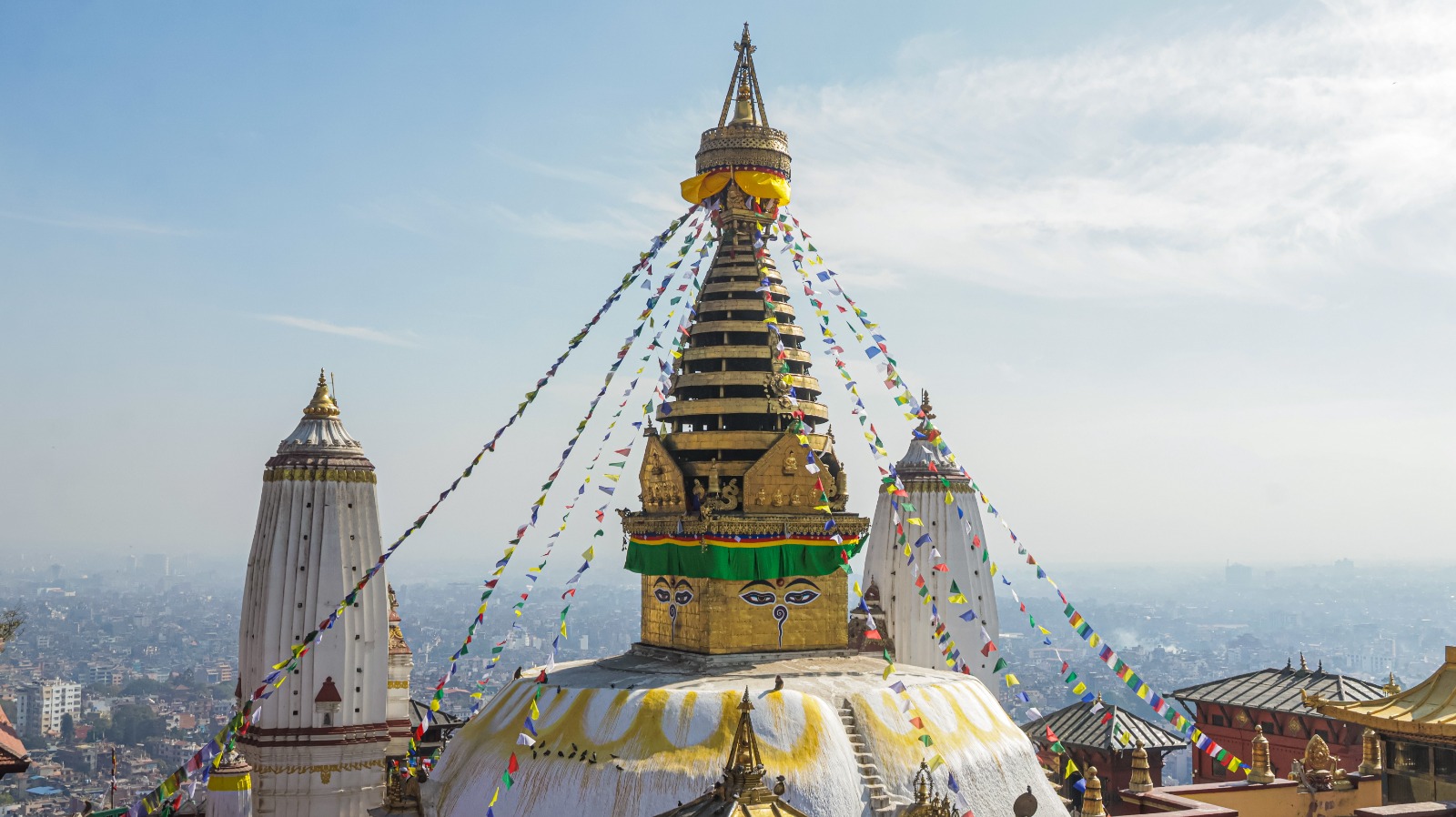
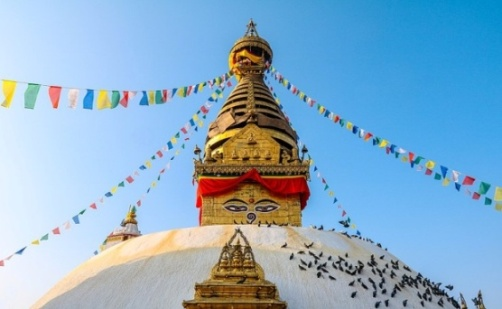
After breakfast, you will begin your sightseeing tour of Kathmandu by visiting the iconic Swayambhunath Stupa, affectionately known as the Monkey Temple due to the resident population of monkeys that add charm to the site. Perched atop a hill overlooking the Kathmandu Valley, this ancient stupa is one of Nepal’s most revered Buddhist shrines, dating back over 2,000 years. Walk through the prayer wheels, admire the magnificent central stupa surrounded by intricately carved smaller stupas, and enjoy sweeping views of the valley and the distant Himalayan ranges.
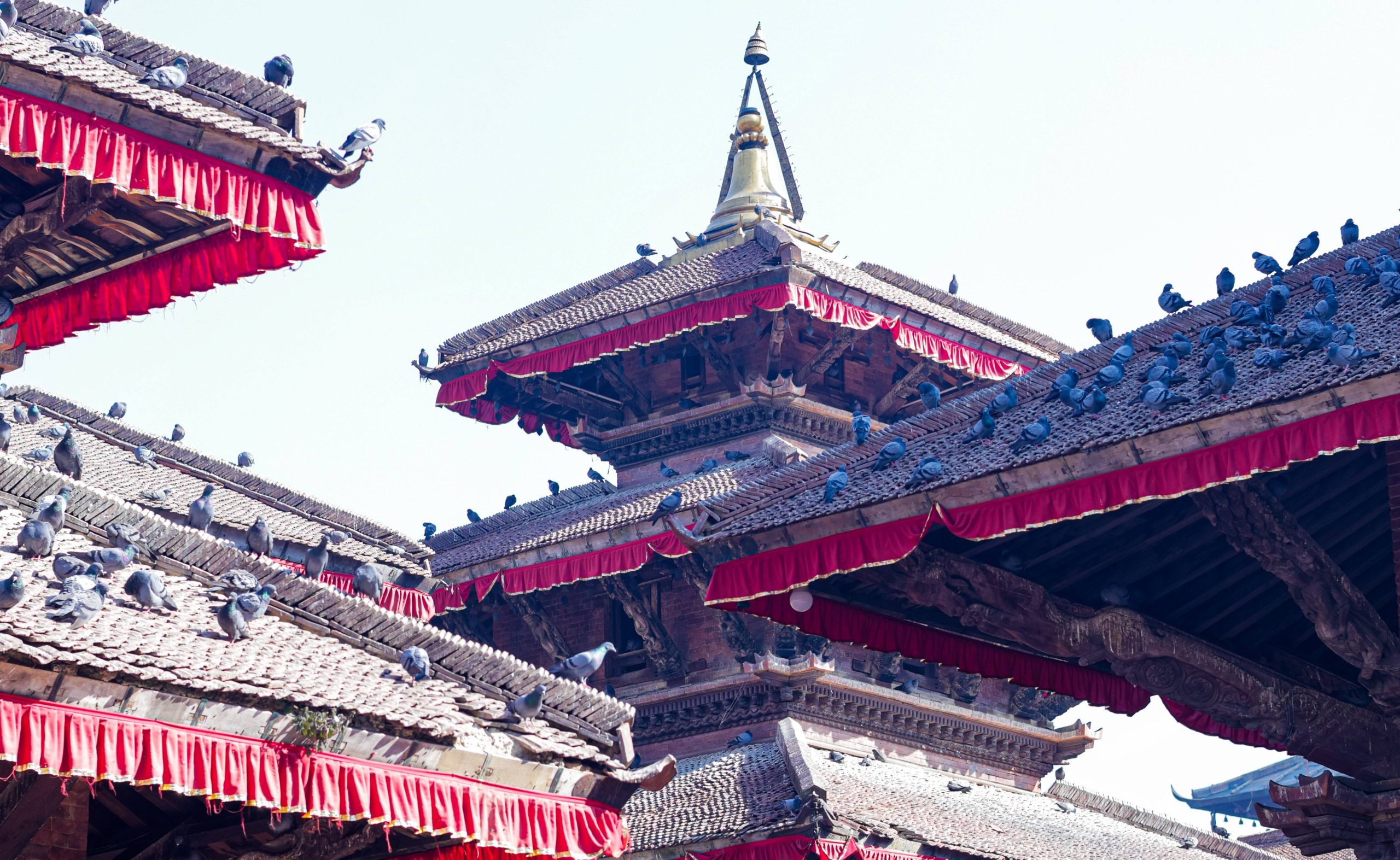
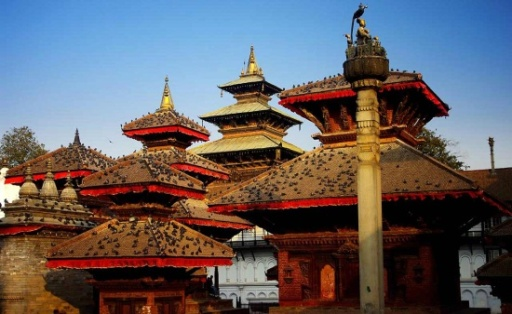
Next, you will visit Kathmandu Durbar Square, a complex of ancient palaces, temples, and shrines that was once the seat of the Nepalese monarchy. You will explore the intricately carved wooden architecture, the towering pagoda-style temples, and the Hanuman Dhoka Palace.
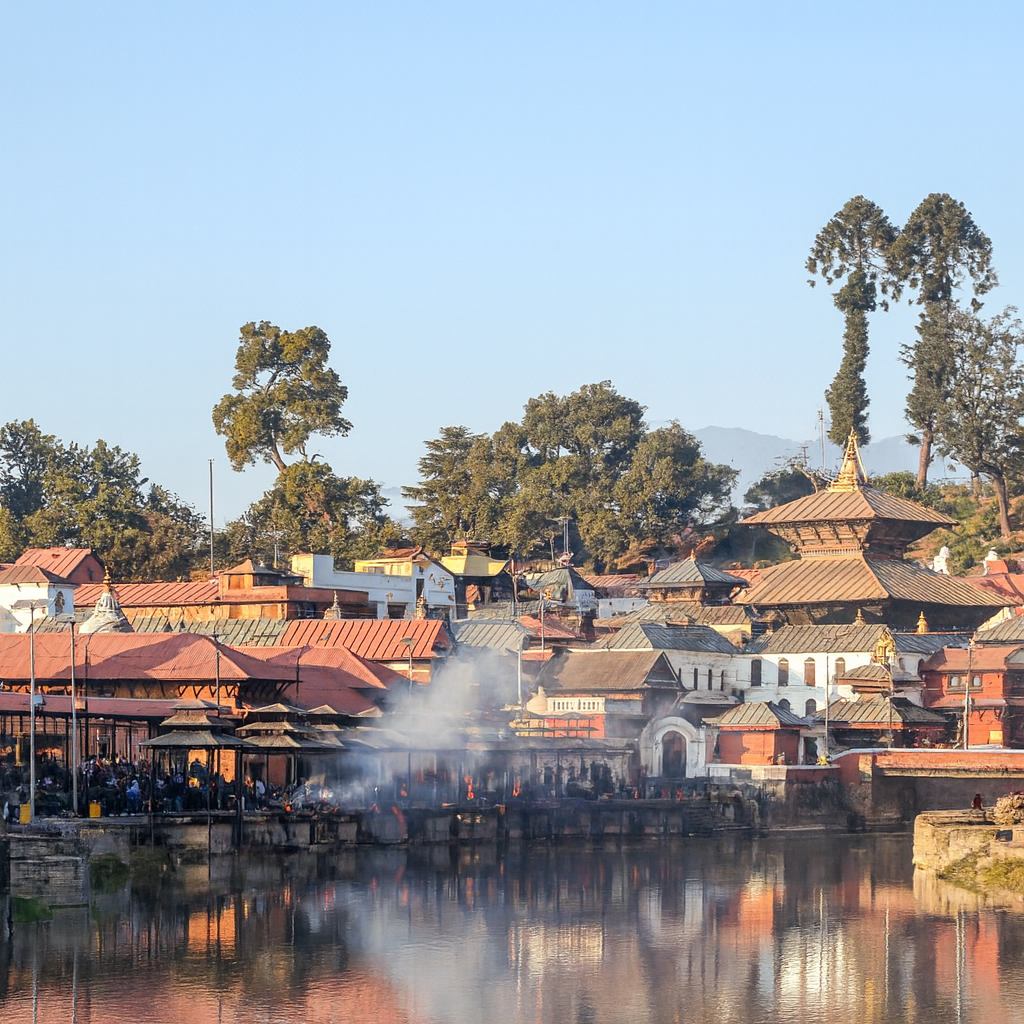
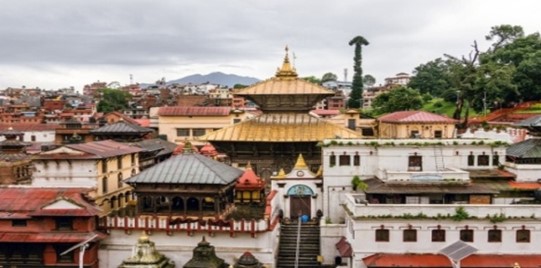
And then later at afternoon, Pashupatinath Temple, with its astonishing architectural beauty, stands as a symbol of faith, religion, culture and tradition. Pashupatinath is regarded as one of the most sacred temples of Hindu Lord Shiva in the world and its existence dates back to 400 A.D. The richly-ornamented pagoda houses the sacred linga or phallic symbol of Lord Shiva. Thousands of pilgrims from all over the world come to pay homage to this temple that is also known as ‘The Temple of Living Beings’. Only the Hindus are allowed to go inside the temple.
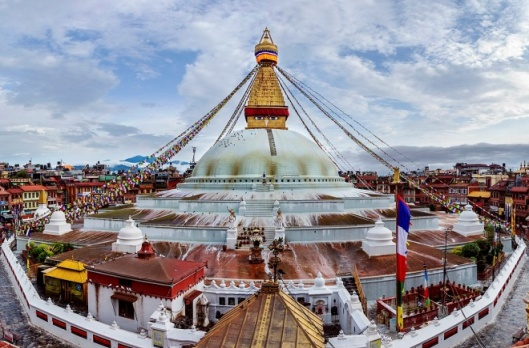
Next, visit Boudhanath Stupa, the largest stupa in the Valley and one of the largest in the world. It looms 36 meters high and presents one of the most fascinating specimens of stupa design with hundreds of prayer wheels and 108 small images of Buddha all around. The stupa has four sides with the watchful eyes of Lord Buddha. All the Buddhists throng to this stupa to take part in the sacred rituals during the Buddhist festivals.
Take time to interact with the monks at Boudhanath, engaging in enlightening conversations about Buddhist practices, meditation, and their daily lives. Gain insights into the profound spiritual significance of this iconic site and partake in spinning the prayer wheels or lighting butter lamps.
Overnight at Kathmandu
DAY 03 |
AT KATHMANDU – SIGHTSEEING
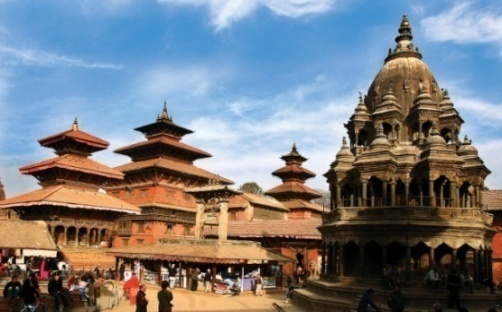
After breakfast, visit Patan Durbar Square, a UNESCO World Heritage Site renowned for its exquisite Newari architecture. This historic square is a treasure trove of temples, statues, and courtyards, each narrating tales of Nepal’s rich history and artistic heritage. Highlights of your visit include the Krishna Mandir, an iconic temple constructed entirely of stone, and the Golden Temple (Hiranya Varna Mahavihar), a beautiful 12th-century Buddhist monastery. Wrap up the day with a tour of the Patan Museum, housed in an ancient palace, showcasing traditional art and artifacts
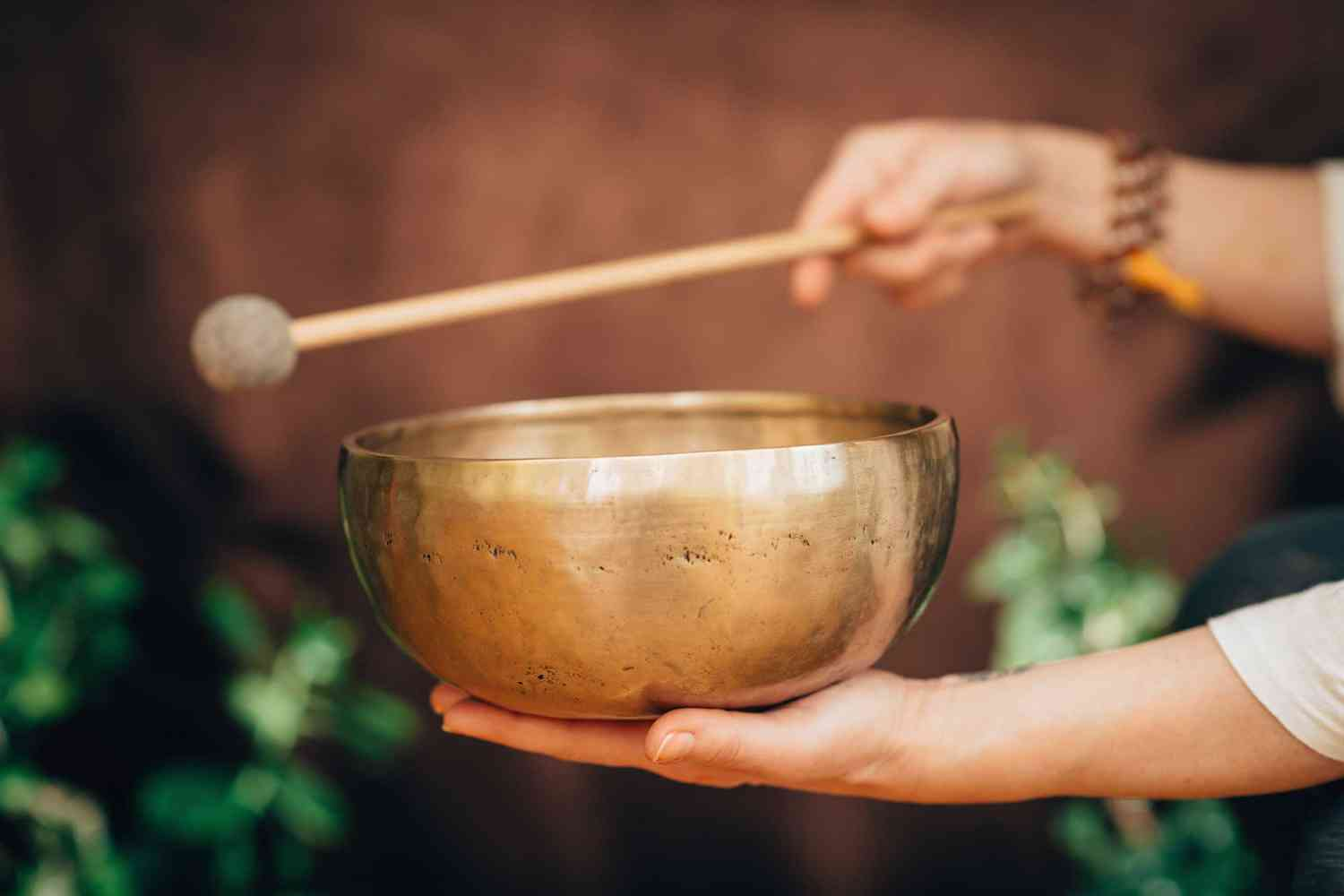
Treat yourself to a Healing Bowl Therapy session, a unique experience that uses the soothing vibrations of singing bowls to promote relaxation and rejuvenation. Return to your hotel in the evening for dinner and rest after an enriching day.
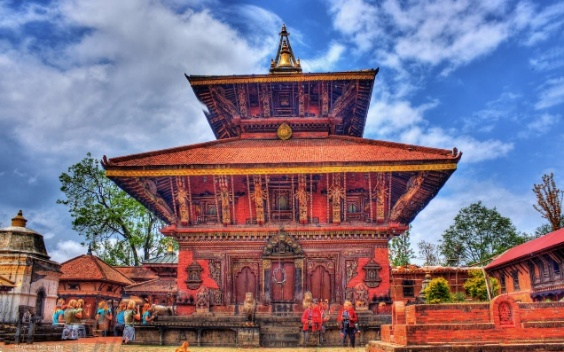
And then visit Changu Narayan Temple, UNESCO World Heritage Site is perched atop a small hill to the east of Kathmandu in Bhaktapur district. It is one of the best known Vishnu – Narayan is another name of Vishnu – temples in Nepal and is visited by a large number of devotees. At the front of the temple is a beautiful statue of Garuda dating back to the 5th century Lichchhavi period. This Garuda is unique in that it resembles a human being except that it has wings unlike other Garuda statues found elsewhere. The Garuda is the baahan (carrier) of Lord Vishnu, and it is interesting to note that all Vishnu temples have the celestial bird seated on its knee with folded palms in front of the temple.
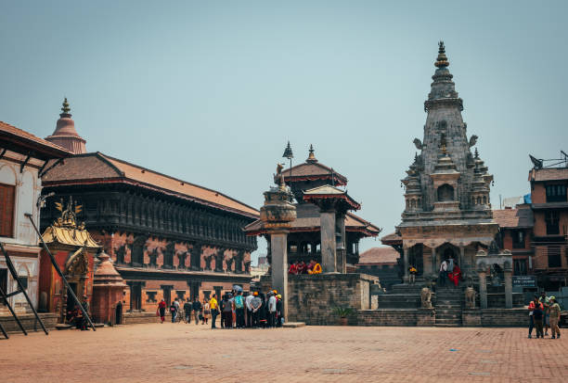
Lastly, you will visit Bhaktapur, an ancient city renowned for its well-preserved medieval architecture, temples, and courtyards. Wander through the narrow alleys of Bhaktapur Durbar Square,
admiring the intricately carved wooden structures and traditional Newari craftsmanship. It is an open museum holding exciting palaces, courtyards, royal baths, sculptures, pagodas, Shikhara style temples and Buddhist monastery along with exclusive architecture. In other words, this is the most beautiful Durbar you visit in your Nepal tours.
Overnight at Kathmandu
DAY 04 |
DRIVE TO POKHARA. [Approx. 210 KM /7 – 8 hours’ drive]. En-route Visit Manakamana Temple
The day starts with a scenic drive towards Pokhara, a city nestled in the lap of the Annapurna and Dhaulagiri mountain ranges. As the journey progresses, the landscape transforms into rolling hills, picturesque valleys, and glimpses of snow-capped peaks in the distance.
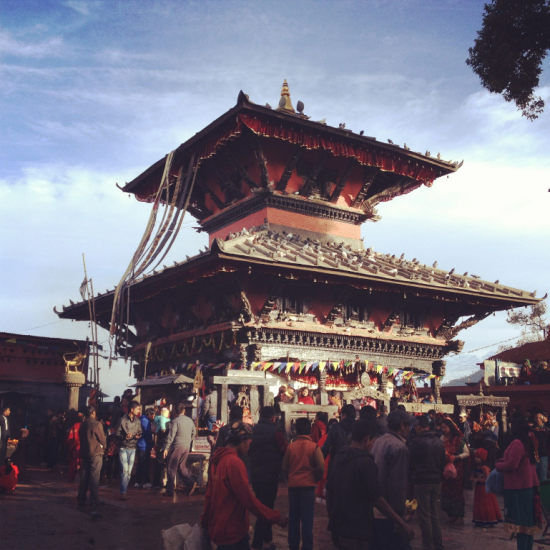
En- route visit Manakamana Temple. Across the river, on top of the hill, amidst the lush greenery, resides the goddess who grants your wishes. Named the Manakamana Devi temple after the incarnation of Bhagawati, who grants the wishes of pilgrims of deepest purest hearts according to Hindu tradition. Pilgrims from all over Nepal and nearby countries come to this temple because they are sure that Goddess Manakamana will help them get what they want if they make the trip to ask for her blessings.
The Manakamana temple rests on a 1300-meter hill, overlooking the Marshyangdi and Trishuli rivers, west of the capital city of Kathmandu. The hilltop location also allows pilgrims to catch breathtaking views of the Annapurna, Himalchuli and Manaslu peaks. The Manakamana Temple is a holy Hindu site in Nepal’s Gorkha district. The temple is on topof a hill and looks out over the valley of the Trishuli River and the beautiful Himalayas in the distance.
After lunch, continue your journey to Pokhara. Upon arrival, guests will check in and have time to relax for the rest of the day.
Overnight at Pokhara
DAY 05 |
AT POKHARA. VISIT MAJOR HIGHLIGHTS.
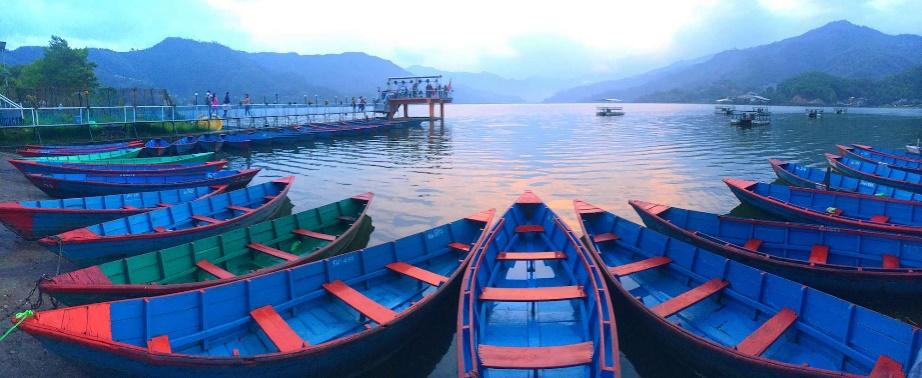
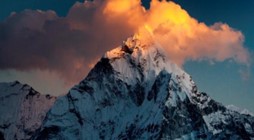
Early morning you will visit Sarangkot peak provides a panoramic view of Pokhara. Tourists drive up the hill to see the sunrise from the top of the hill’s view tower. Sarangkot provides a relaxing and admiring view of the breathtaking views of the mountains on one side and Phewa Lake on the other.
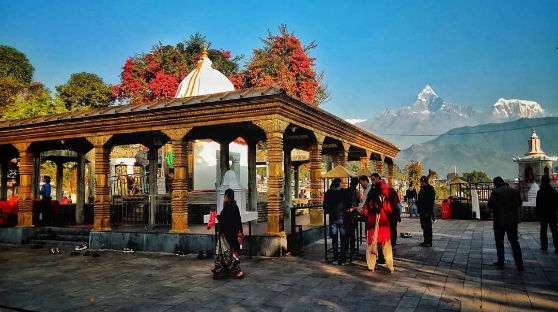
Next you will visit Bindhabasini temple is one of the famous temples of Nepal. It is devoted to the Hindu goddess Bindhyabasini, a Bhagawati who is believed to be the guardian deity of the city of lakes. Besides that, the temple is a recognized sightseeing attraction in Pokhara. It is the oldest temple in Pokhara. Enthroned on top of a small hill, the Bindhyabasini temple rests quietly beside an old busy bazaar, 3002 feet above sea level gawking at the glorious Himalayan ranges. The temple is like a breath of fresh air amid the hullabaloo of Pokhara.
Next, you’ll back to hotel for breakfast.
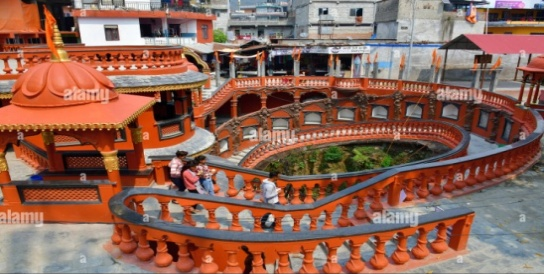
After breakfast you will begin your sightseeing tour of Pokhara by visiting Devi’s Fall, a stunning waterfall that originates from the Phewa Lake and disappears into the underground tunnel.
Next, we’ll visit Gupteshwor Mahadev, a sacred cave located near Devi’s Fall. The cave is dedicated to Lord Shiva and has a natural rock formation that resembles the Shiva Lingam.
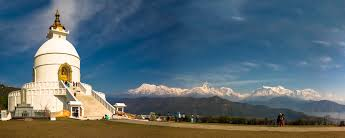
Then, you will visit World Peace Pagoda which is the spectacular symbol of peace and is the 71st peace pagoda in the world standing 115 feet tall. Visitors need to climb a flight of stairs to reach the top of the striking monument. There are two tiers to the structure with separate passages to circumambulate.
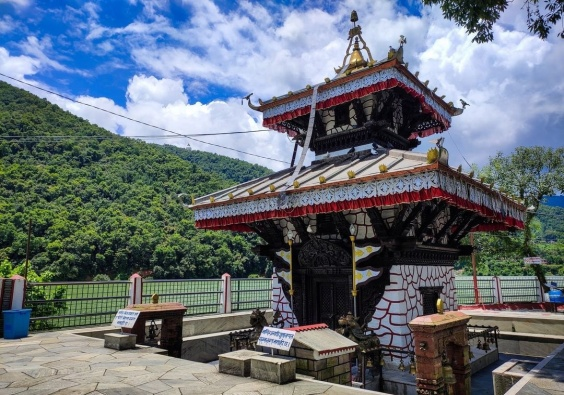
In the afternoon, a boat ride on Phewa Lake provides a peaceful experience, with stunning reflections of the Annapurna range on the water. Guests can visit Tal Barahi Temple, a small pagoda-style temple located on an island in the middle of the lake, accessible only by boat. The evening is free for guests to explore Lakeside Pokhara, a lively area filled with charming cafés, boutique stores, and cultural performances.
Overnight at Pokhara
DAY 06 |
DRIVE TO THASANG (3,140m) BY JEEP.
Drive to Thasang. (3,140m)
En-route visit Galeshwor Temple
After an early breakfast, the group will embark on a scenic jeep journey to Thasang, a hidden gem nestled in the Kali Gandaki Valley. The drive follows the winding roads along the Kali Gandaki River, the world’s deepest gorge, surrounded by the towering Annapurna and Dhaulagiri mountain ranges.
En-route visit Galeshwor Temple (1,170m), a revered Hindu temple dedicated to Goddess Parvati. Pilgrims believe that visiting this temple brings spiritual purification. And, the group will stop at Tatopani for a refreshing break. Lunch will be served at the Tatopani Hot Spring Hotel, offering traditional Nepali dishes with spectacular mountain views.
Upon arrival in Thasang, guests will check into their cozy mountain lodge, offering breathtaking views of Dhaulagiri (8,167m). The evening will be free for leisure, allowing them to explore the serene landscapes or simply relax by the lodge’s fireplace.
Overnight at Thasang
DAY 07 |
DRIVE TO MUKTINATH. (3,800m) EN-ROUTE VISIT MARPHA VILLAGE
Drive towards Muktinath.(3,800m)
En-route visit Tukuche Village & apple orchards around Marpha Village.
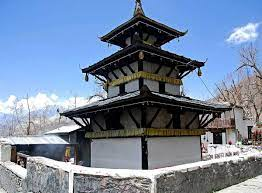
Visit Muktinath Temple.
After an early breakfast, the journey continues toward Muktinath, one of the most revered pilgrimage sites for both Hindus and Buddhists. The drive ascends through dramatic high-altitude landscapes, with breathtaking views of the Nilgiri and Dhaulagiri ranges. The road winds through barren, wind-swept terrain, offering a stark contrast to the lush valleys of lower Mustang. En-route, you’ll visit Tukuche Village and apple orchards around Marpha Village.
Upon arrival, guests will embark on a short hike or take a pony ride to reach the Muktinath Temple, a sacred sanctuary at 3,800 meters. Here, pilgrims take a ritual bath in the 108 ice-cold water spouts, believing it cleanses them of sins. Nearby, the Jwala Mai Temple houses an eternal flame that burns naturally from an underground gas source, symbolizing the unity of earth, water, fire, air, and sky.
After exploring the spiritual and cultural richness of Muktinath, guests will have the rest of the afternoon to enjoy the serene atmosphere and interact with local villagers before settling in for the night.
Overnight at Muktinath
DAY 08 |
JOURNEY TO GHAMI(3,520 m)/ TSARANG (3,560 m) – Gateway to Upper Mustang.
Drive to Tsarang. En-route visit Ghami.
Rest of the day at leisure to explore nearby surroundings.
Leaving Muktinath behind, the group sets off on an adventurous drive deeper into Upper Mustang, a region known for its ancient Tibetan culture and breathtaking desert-like landscapes. The route follows the Kali Gandaki River, passing through traditional villages with white-washed houses, Buddhist chortens, and barley fields.
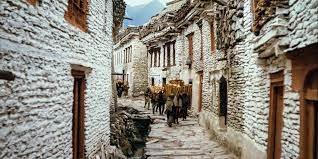
En-route visit Ghami village situated in the remote area of Mustang district in Nepal. It is an ancient village famous for its unique culture, architecture and landscape. The village is known for its beautiful white-washed houses and intricate carvings on doors and windows.
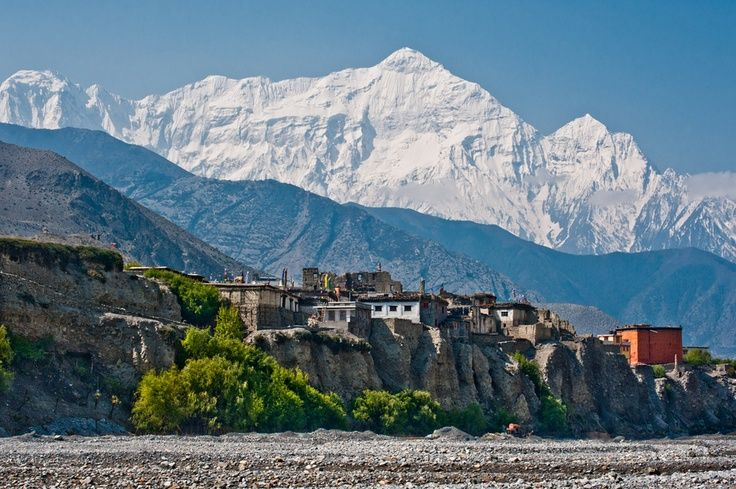
Then, transfer to Tsarang. Tsarang village is a beautiful and historical place located in the Mustang district of Nepal. Harang located at an elevation 3560 meters / 11680 feet above sea level. It is situated near the Kali Gandaki River and surrounded by majestic mountains. The village is well-known for its ancient architecture, rich culture, and the unique way of life of its inhabitants.
Ghami to Tsarang is a unique and unforgettable journey that takes you through the hidden treasures of Nepal’s ancient culture and traditions. The drive offers a chance to explore the rugged terrain of the Himalayas, ancient monasteries, and charming villages, making it a must-visit destination for adventure enthusiasts and cultural travelers.
Overnight at Ghami/Tsarang
DAY 09 |
DRIVE TO LO-MANTHANG (3840 m)
AM proceed to Lo-Manthang from Tsarang
Explore nearby surroundings.
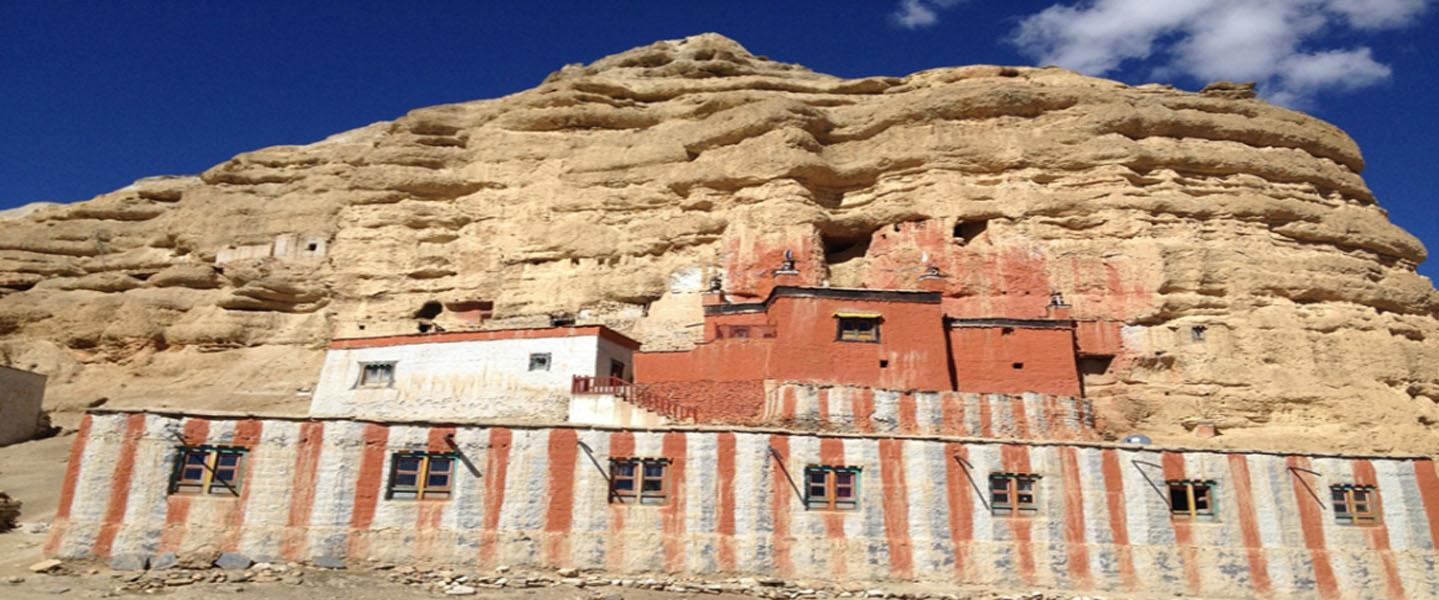
The journey continues towards Lo Manthang, the ancient walled city of the Mustang Kingdom. The drive offers surreal landscapes—deep gorges, dramatic cliffs, and eroded sandstone formations sculpted by wind and time. Along the way, guests will stop at GharGompa, one of the oldest monasteries in Mustang, where legend has it that wishes made here come true.
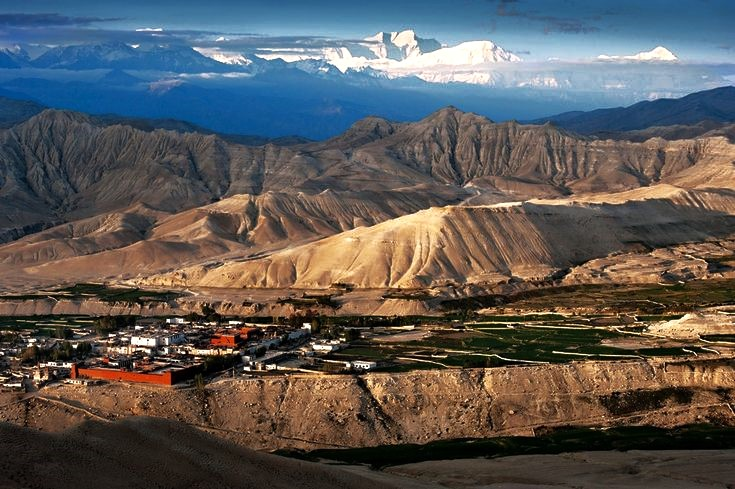
Upon reaching Lo Manthang, guests will be captivated by its well-preserved medieval charm. The city is enclosed by high mud-brick walls, safeguarding centuries-old monasteries, royal palaces, and traditional homes. In the afternoon, they will explore the King’s Palace, a historic residence of
Mustang’s former royal family, followed by a visit to Thubchen and Jampa Monasteries, adorned with intricate murals and Buddhist relics.
The evening will be spent soaking in the mystical atmosphere of this hidden kingdom, where time seems to stand still. Guests can walk through narrow alleys, interact with monks, or witness traditional Tibetan-style dances performed by locals.
Overnight at Lo-manthang
DAY 10 |
AT LO-MANTHANG. Exploring the Forbidden Kingdom of Lo Manthang
Breakfast at hotel.
Explore the village of Lo-Manthang & visit various caves nearby.
The day is dedicated to exploring the surrounding wonders of Lo Manthang. Guests will embark on a scenic drive to Chhoser, home to fascinating cave dwellings that date back thousands of years. These ancient caves, carved into cliffside walls, were once used as meditation chambers, burial sites, and even homes for early settlers.
A visit to the Nyphu Cave Monastery, perched dramatically against a rock face, provides insight into Mustang’s monastic traditions. Guests will also explore Jhong Cave, a multi-level cave complex with small meditation rooms interconnected by ladders and tunnels.
The rest of the afternoon is free for personal exploration—guests may choose to wander through the narrow streets of Lo Manthang, visit a local Thangka painting workshop, or simply relax and absorb the tranquility of this remote Himalayan kingdom.
Overnight at Lo-manthang
DAY 11 |
DRIVE TO JOMSOM (2,720 m)-A Journey Through Mustang’s Changing Landscapes.
Drive to Jomsom. (2,720 m)
Explore Village & Surroundings
After an early breakfast, the group will bid farewell to Lo Manthang and begin the drive back towards Jomsom, retracing the route through Mustang’s striking landscapes. The drive takes guests through high-altitude desert terrain before descending into greener valleys,
marking the transition from the barren lands of Upper Mustang to the lush surroundings of the Kali Gandaki Valley.
Upon arrival in Jomsom, guests will check in and enjoy some free time to explore this bustling town, which serves as the gateway between Lower and Upper Mustang. They can stroll through the local markets, or simply relax while enjoying stunning views of the Nilgiri and Dhaulagiri peaks.
Overnight at Jomsom
DAY 12|
DRIVE TO TATOPANI (1190 m)– A Relaxing Hot Spring Experience
AM Explore Thini Village & nearby surroundings.
Drive towards Tatopani.
PM Free for Leisure.
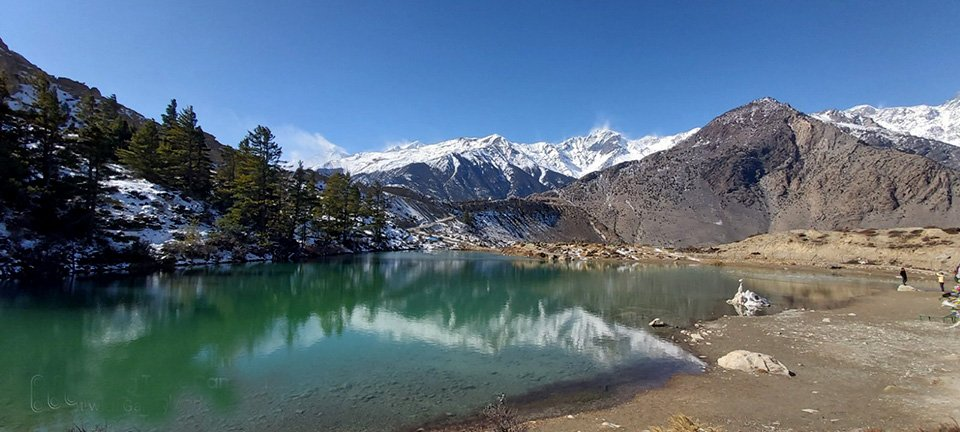
Begin the day with an exploration of Thini Village, one of the oldest settlements in the Mustang region, located near Jomsom. Surrounded by stunning mountain views, the village offers a glimpse into traditional Mustang culture, architecture, and lifestyle. You can also visit Dhumba Lake, a serene spot known for its turquoise waters and tranquil atmosphere, adding to the charm of this high-altitude village
After exploring the village, you’ll drive towards Tatopani, a journey that will take approximately 4-5 hours. The scenic drive follows the Kali Gandaki River, passing through lush valleys, terraced fields, and charming mountain villages.
Upon arrival, guests will have the opportunity to unwind in the soothing hot spring pools, which are believed to have therapeutic properties. After days of traveling through rugged terrain, this experience offers the perfect way to relax and rejuvenate. The evening will be spent enjoying the tranquil surroundings of the village, accompanied by a hearty meal featuring locally grown organic produce.
Overnight at Tatopani
DAY 13 |
DRIVE BACK TO POKHARA. FLY TO KATHMANDU. RICKSHAW RIDE AT THAMEL.
After an early breakfast in Tatopani, the journey continues with a scenic drive back to Pokhara, retracing the winding roads along the Kali Gandaki River. As the group descends, the landscape transforms from the rugged highlands of Mustang to the lush greenery of the lower Himalayas. Along the way, guests will pass through picturesque villages, cascading waterfalls, and terraced farmlands, offering a final glimpse of Nepal’s breathtaking countryside.
Upon arrival in Pokhara, there will be a brief stop for refreshments before heading to the airport for a short domestic flight to Kathmandu. This scenic flight, lasting approximately 25 minutes, provides a stunning aerial view of the Annapurna and Manaslu ranges, as well as a final glimpse of the snow-capped peaks that have accompanied the journey.
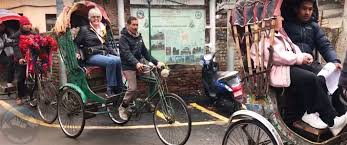
Upon landing in Kathmandu, guests will be transferred to their hotel, where they can relax for a while before setting out for an exciting rickshaw ride through Thamel. This lively district, known for its colorful streets, bustling markets, and vibrant atmosphere, offers the perfect setting for a final evening in Nepal. Guests will weave through narrow alleys lined with handicraft shops, bookstores, and local eateries, experiencing the lively culture of the city firsthand.
Overnight at Kathmandu
DAY 14 |
DEPARTURE FROM KATHMANDU
After breakfast, you will check out from your hotel and drive to the Tribhuvan International Airport for your flight back home. You will be transferred to the airport in a private vehicle, accompanied by our representative. The trip concludes with wonderful memories of Nepal’s beautiful cities and landscapes.
[Note: This program is given as an indication according to the indications known to date. It may be subject to changes on site due to local data. These changes will always be made in the best possible way, in the spirit of the original program.]
**END OF SERVICES**
***HAPPY JOURNEY***